Sunspot Removal Korea — Solar Lentigo Laser, Assessed First at RE:BERRY Hongdae
Fade flat brown sun-damage spots on cheeks and hands — sunspot removal korea at RE:BERRY Hongdae targets solar lentigines with pigment-selective laser, most clearing after 1-2 sessions and only after a doctor confirms the lesion, with transparent pricing from ₩19,000 (about $14) published before you book, 1 stop from Hongik University Station via AREX.
What is sunspot removal korea, and how is a sunspot different from a freckle?
A sunspot is a solar lentigo — a flat, well-defined brown macule from cumulative UV, with more melanocytes than a freckle and no seasonal fading. Sunspot removal korea at RE:BERRY Hongdae uses pigment-selective laser after a doctor confirms the lesion, with transparent pricing from ₩19,000 (about $14) published before you book.
Sunspot Removal Korea — RE:BERRY Hongdae Transparent Pricing
Sunspot Removal Korea — Solar Lentigo Results at RE:BERRY Hongdae
Your Sunspot Removal Korea Session at RE:BERRY Hongdae
Sunspot removal korea at RE:BERRY Hongdae is assessment-first: the lesion is confirmed as a benign solar lentigo before any pigment-selective laser is used.
1. Lesion Assessment
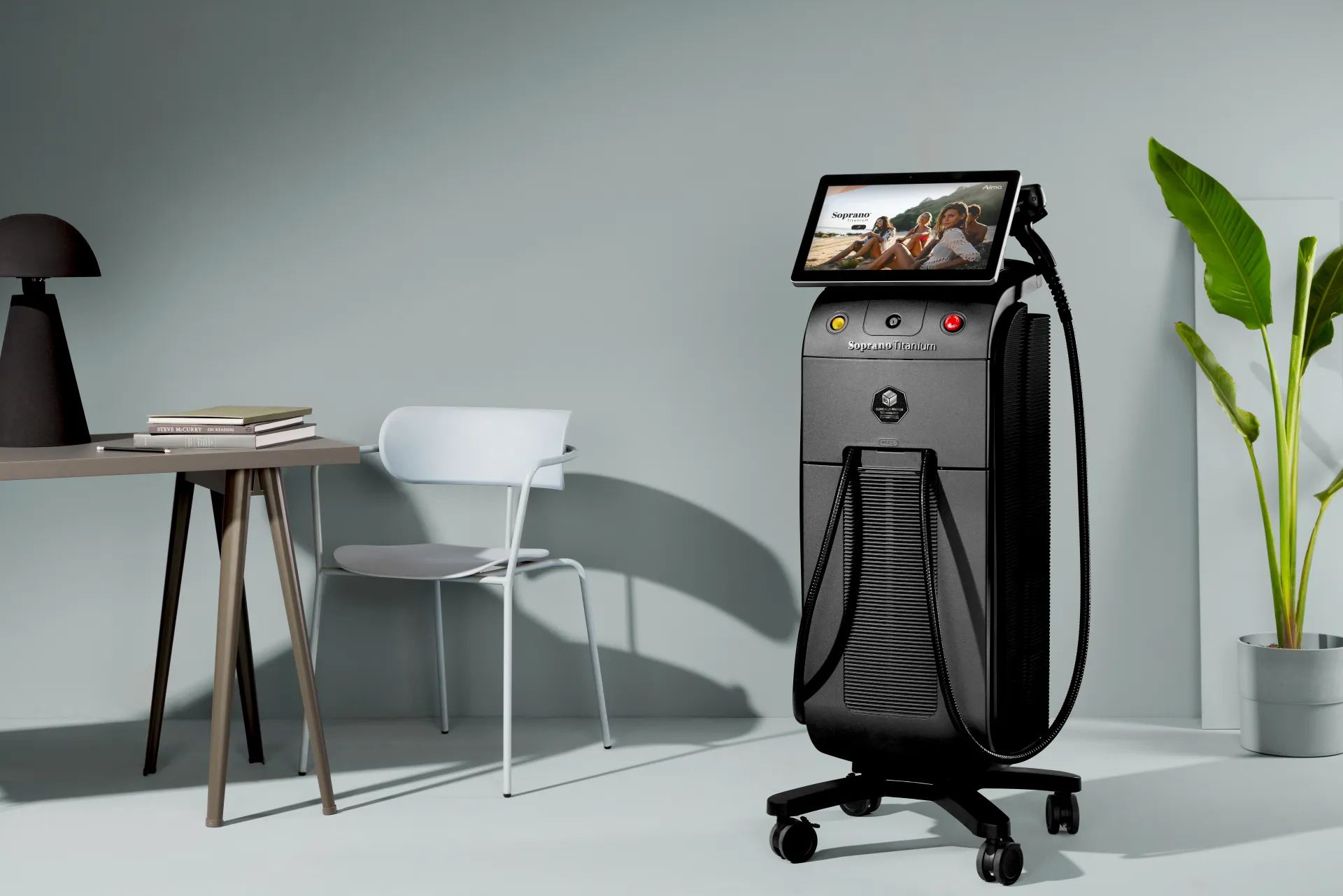
During a 60-90 minute consultation, Dr. Jae-Hong Kim visually distinguishes a benign solar lentigo from freckles, age-related lentigines, melasma, and any atypical pigmented lesion, since laser should never be used on an unassessed suspicious spot.
2. Device & Parameter Selection
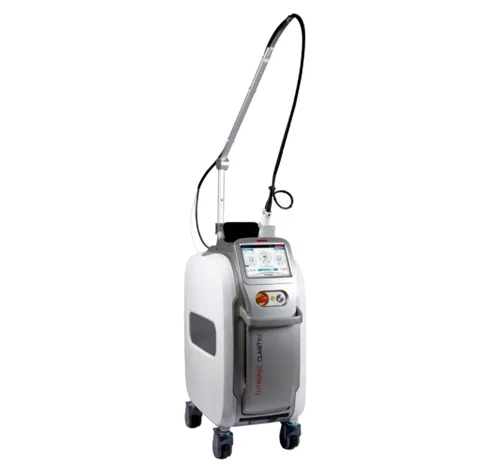
Parameters are matched to Fitzpatrick III-V Asian skin to limit post-inflammatory hyperpigmentation, choosing a 532 nm picosecond or Q-switched setting based on lesion depth, color, and your skin type across 1-2 planned sessions.
3. Pigment-Selective Laser Delivery
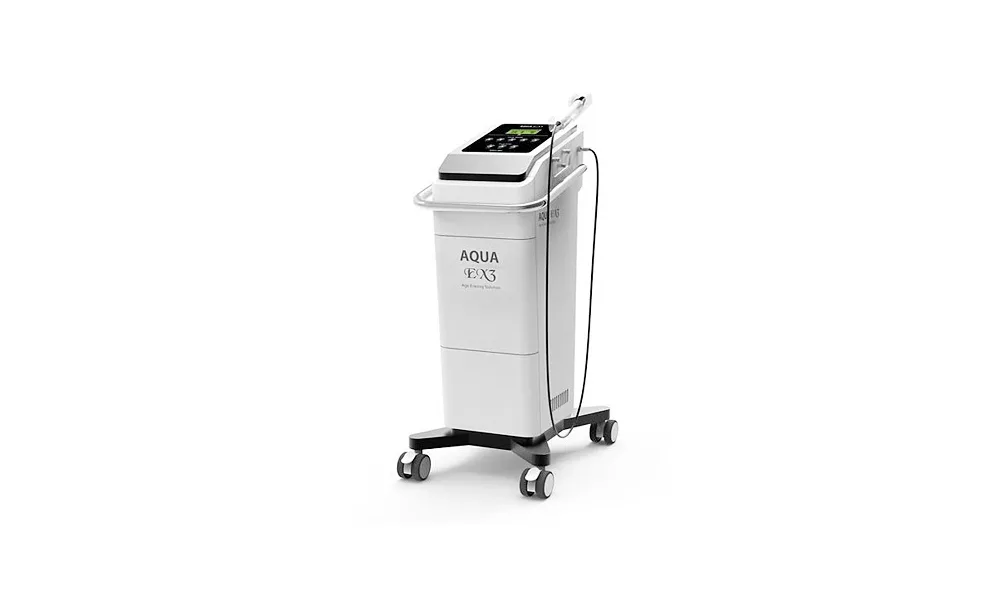
A focused session of 15-30 minutes delivers ultra-short, high-intensity pulses absorbed by the melanin, fragmenting the pigment in the solar lentigo so the body can clear it over the following 1-2 weeks.
4. Healing & Sun Protection
Treated sunspots darken briefly and form a thin crust that sheds over 1-2 weeks; strict daily sun protection during healing is essential, since cumulative UV is the underlying cause.
5. Review & Follow-up
Most solar lentigines lighten noticeably after 1-2 sessions; larger or darker spots may need more. RE:BERRY Hongdae provides 4-week WhatsApp aftercare in 8 languages so foreign patients stay supported after returning home.
What Sunspot Removal Delivers Over Time
- Targets solar lentigines specifically — a distinct lesion from the clinic’s freckle and dark-spot treatments
- Dermatologist confirms the lesion is a benign solar lentigo before any laser, as a safety-first step
- Parameters tuned to Fitzpatrick III-V Asian skin to reduce post-inflammatory hyperpigmentation risk
- Most solar lentigines lighten noticeably after 1-2 sessions
- Short 15-30 minute sessions with 1-2 weeks of light crusting and flaking
- Coverage-based transparent pricing published before you book, with no hidden per-spot fees
| Timeline | What to Expect |
|---|---|
| Day 0 | |
| Days 3-7 | |
| Weeks 1-2 | |
| Weeks 4-8 |
Sunspot (Solar Lentigo) vs Freckle vs Melasma — Know the Difference
| Feature | Sunspot (Solar Lentigo) | Freckle (Ephelide) | Melasma | Source |
|---|---|---|---|---|
| Cause | Cumulative UV damage | Genetic + sun-triggered | Hormonal + UV | Dermatology consensus |
| Typical Onset | Usually after age 30 | Childhood | Adult women, often pregnancy-related | Clinical literature |
| Border | Well-defined, discrete | Small, may cluster | Diffuse, patchy | Dermatology consensus |
| Seasonal Fading | Does not fade seasonally | Can fade in winter | Fluctuates | Clinical literature |
| First-Line Approach | Pigment-selective laser | Pigment laser or toning | Layered, cautious (laser can worsen) | RE:BERRY protocol |
| Assessment Before Laser | Required | Required | Required | RE:BERRY policy |
| Treatment Model | Coverage-based, transparent | Coverage-based, transparent | Coverage-based, transparent | RE:BERRY policy |
Why This Matters
A solar lentigo is not a freckle: it contains more pigment-producing melanocytes, has a discrete border, appears after cumulative sun exposure, and does not fade seasonally. That is why sunspot removal follows a different plan from the clinic’s freckle and dark-spot pages — and why the lesion must be confirmed before laser.
KHIDI 2025 Medical Tourism Survey: 41.4% of Japanese medical tourists rank same-doctor continuity as their top priority. At RE:BERRY Hongdae, Dr. Jae-Hong Kim assesses your spots, selects parameters, and delivers each session personally, so treatment stays consistent across visits.
Korea’s average medical consultation runs about 4.3 minutes (OECD 2023, versus an OECD average of 16.4 minutes). RE:BERRY Hongdae allocates 60-90 minutes so a suspicious lesion is never lasered without a careful look — a safety point that hurried visits often skip.
Your Sunspot Doctor at RE:BERRY Hongdae
Dr. Jae-Hong Kim
- Aesthetic Medicine Specialist
- Korean Ministry of Health and Welfare Medical License No.138911
- Pigment-selective laser protocols for solar lentigines in Fitzpatrick III-V skin
- 60-90 minute consultation-first assessment for every patient
Medically reviewed by Dr. Jae-Hong Kim, Medical Director, RE:BERRY
SCIENTIFIC EVIDENCE Behind Sunspot Removal Korea
Peer-reviewed evidence behind sunspot removal korea — pigment-selective laser for solar lentigines in Asian skin.
The peer-reviewed evidence base below spans 6 clinical studies of pigment-selective laser treatment of solar lentigines, including 2 randomized split-face comparisons of 532 nm picosecond versus Q-switched Nd:YAG lasers in Asian patients.
Picosecond vs Q-Switched for Solar Lentigines
Chalermchai and Rummaneethorn (2020) ran a split-face, single-blinded randomized controlled trial of 532 nm picosecond versus 532 nm Q-switched Nd:YAG laser for solar lentigines, and Vachiramon et al. (2018) compared 532 nm nanosecond and picosecond Nd:YAG in Asians; both reported effective clearance, with the picosecond side generally showing fewer adverse pigmentary effects in darker skin.
Photomechanical Pigment Clearance
Selective photothermolysis explains why pigment-selective wavelengths clear a solar lentigo: Anderson and Parrish (1983) established that ultra-short pulses confine energy to the melanin target, and later Q-switched studies (Kang et al., 2010) documented lightening of lentigines with controlled fluence, fragmenting pigment for clearance over 1-2 weeks.
Safety in Asian Skin
Post-inflammatory hyperpigmentation is the main risk in Fitzpatrick III-V skin. Chan et al. (2016) reviewed pigment-laser safety in Asian skin and emphasized conservative fluence and cooling, while Korean data in Ann Dermatol (Seoul) confirms a low adverse-event rate when parameters are matched to skin type — the rationale for assessment-first, individualized settings.
Chalermchai T, Rummaneethorn P. A Split-Face, Single-Blinded, Randomized Controlled Comparison of 532 nm Picosecond Nd:YAG Laser versus 532 nm Q-Switched Nd:YAG Laser in the Treatment of Solar Lentigines. Ann Dermatol (Seoul). 2020;32(1):8-14. doi:10.5021/ad.2020.32.1.8
Vachiramon V, Iamsumang W, Triyangkulsri K. Q-switched double frequency Nd:YAG 532-nm nanosecond laser vs. double frequency Nd:YAG 532-nm picosecond laser for the treatment of solar lentigines in Asians. Lasers Med Sci. 2018;33(9):1941-1947. doi:10.1007/s10103-018-2560-3
Anderson RR, Parrish JA. Selective photothermolysis: precise microsurgery by selective absorption of pulsed radiation. Science. 1983;220(4596):524-527. doi:10.1126/science.6836297
Kang HY, Valerio L, Bahadoran P, Ortonne JP. The role of topical retinoids and lasers in the treatment of solar lentigines. Am J Clin Dermatol. 2009;10(4):251-260. doi:10.2165/00128071-200910040-00005
Chan HH, Kono T. The use of lasers and intense pulsed light sources for the treatment of pigmentary lesions. Skin Therapy Lett. 2004;9(8):5-7. PMID:15529110
Wang CC, Sue YM, Yang CH, Chen CK. A comparison of Q-switched alexandrite laser and intense pulsed light for the treatment of freckles and lentigines in Asian persons. J Am Acad Dermatol. 2006;54(5):804-810. doi:10.1016/j.jaad.2006.01.054
Only Authentic, Brand-Certified Equipment
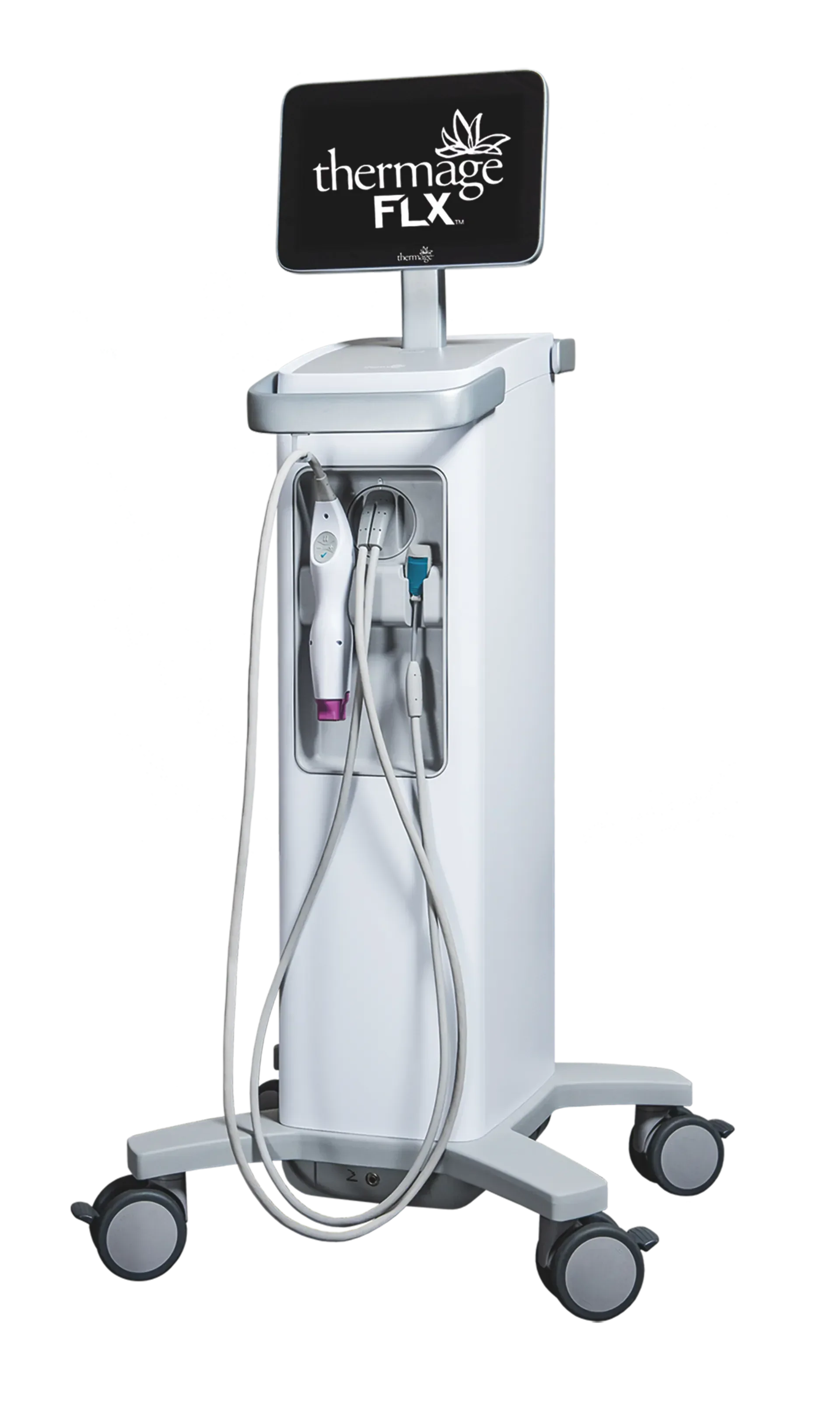
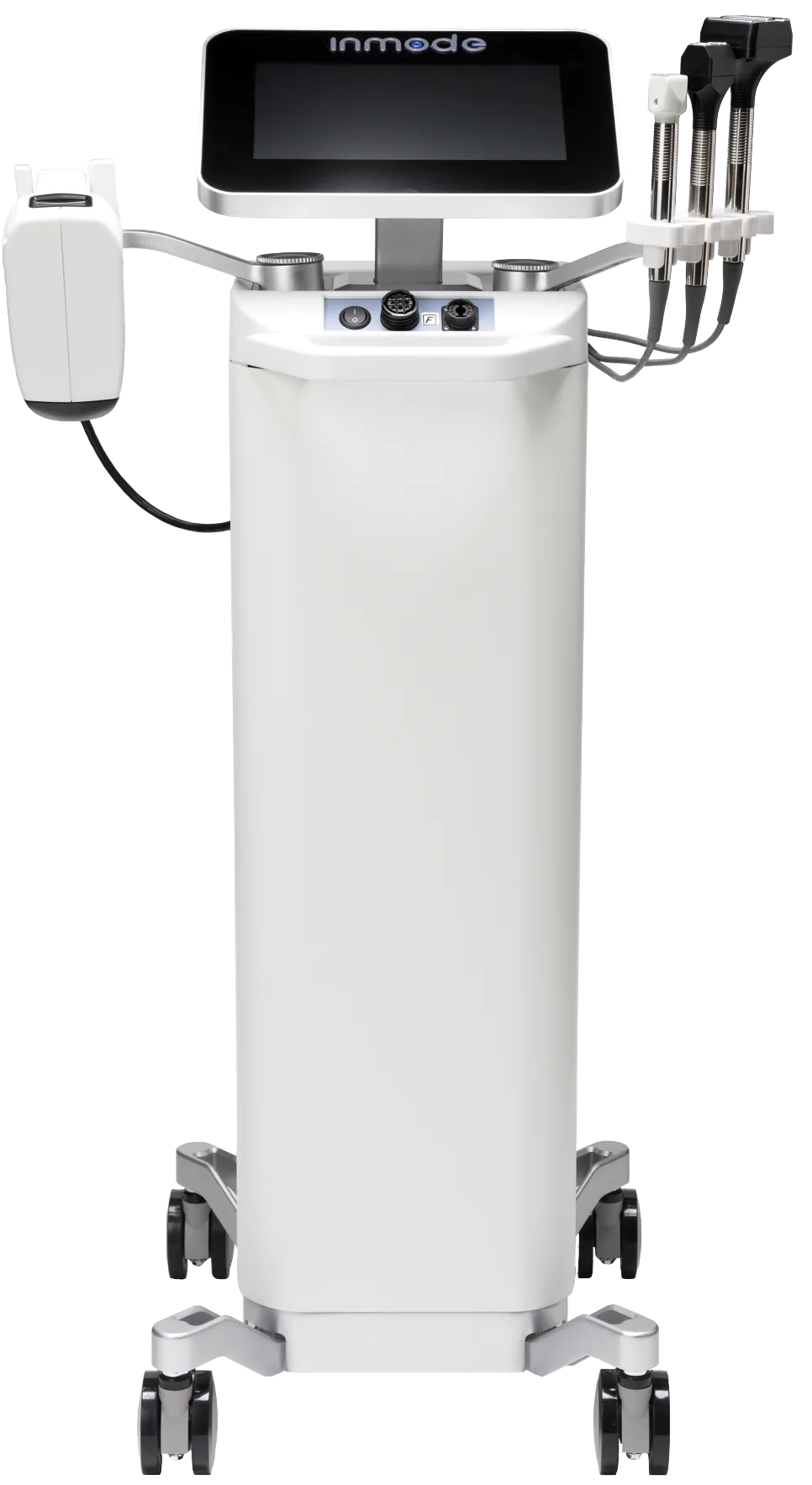
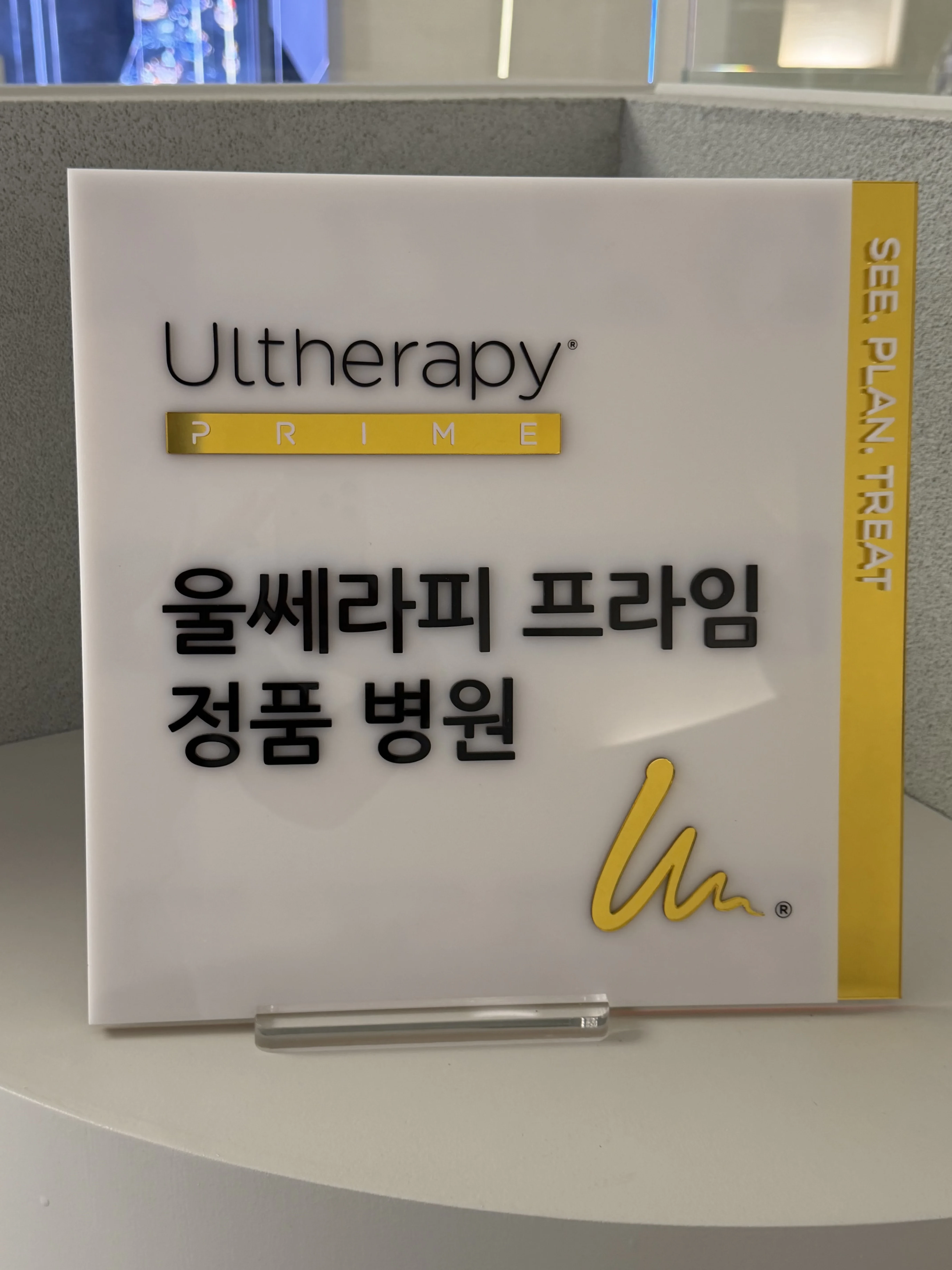
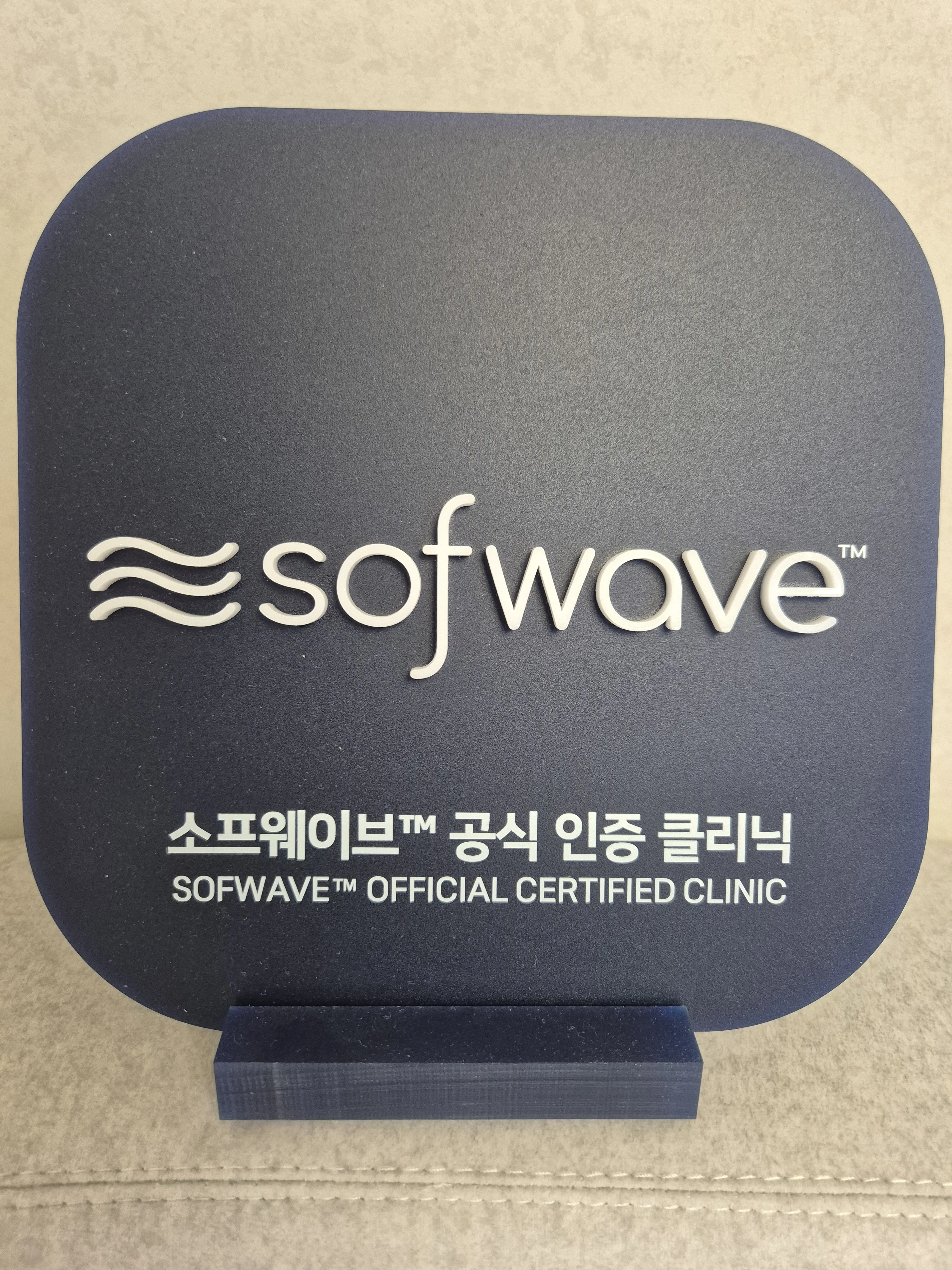
Every device at RE:BERRY is MFDS-certified and manufacturer-verified. We never use counterfeit or grey-market equipment.
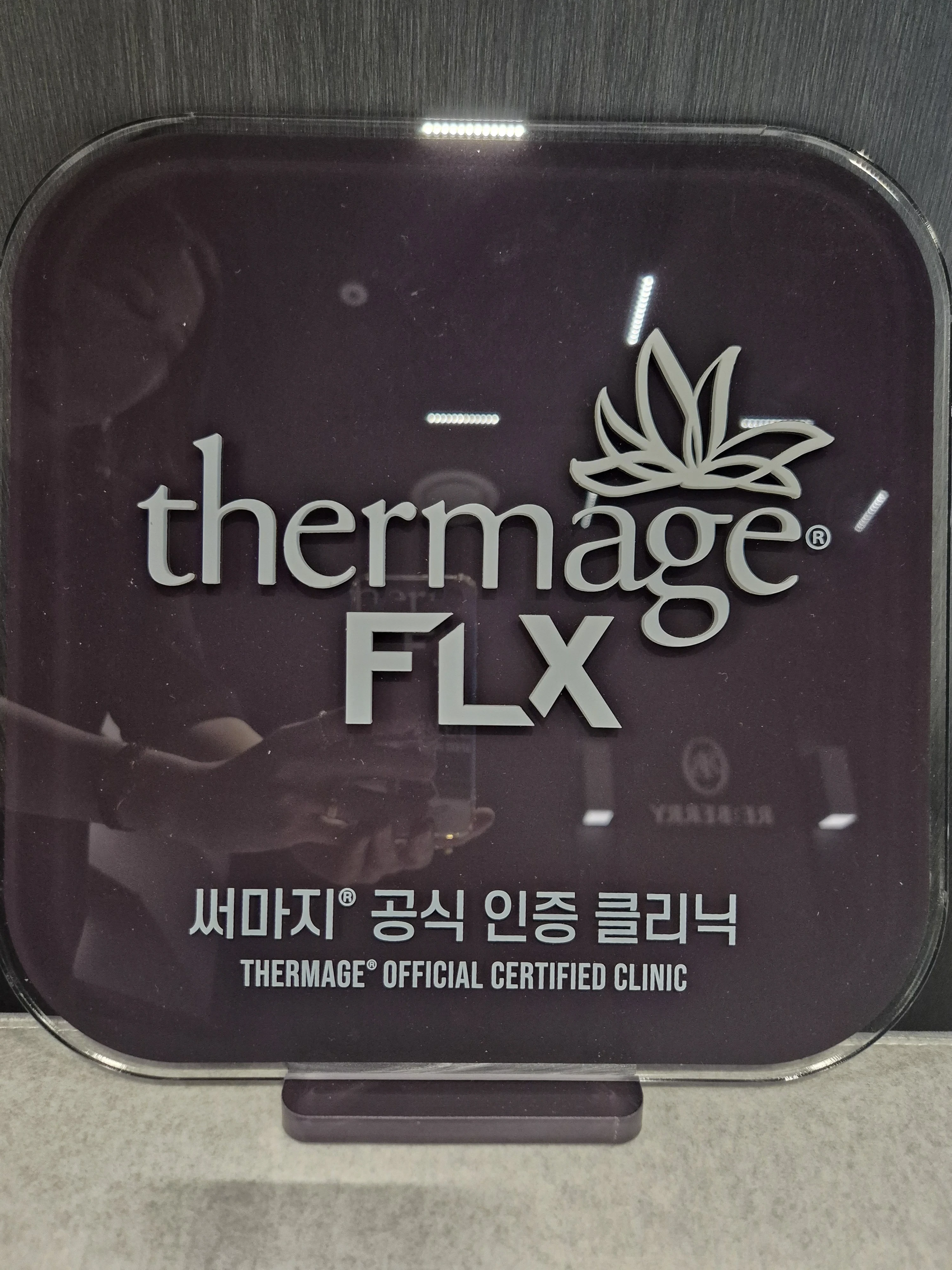
Brand-Authenticated Equipment & Training



Our doctors are certified by Korea’s top dermatological societies




Numbers That Tell Our Story
Real procedures performed.
Sunspot Removal Korea — Questions Answered
Common questions from foreign visitors planning solar lentigo treatment around a Seoul trip.
What is a sunspot, and how is it different from a freckle?
A sunspot at RE:BERRY Hongdae is treated as a solar lentigo — a flat, well-defined brown macule with more melanocytes, caused by cumulative UV over about 30+ years. Unlike a freckle, which is genetic, small, and can fade in winter, a solar lentigo does not fade seasonally, so the treatment plan differs from a freckle plan.
How does the clinic tell a sunspot apart from a dark spot?
At RE:BERRY Hongdae, 1 assessment step by Dr. Jae-Hong Kim distinguishes a benign solar lentigo from a generic dark spot, age spot, melasma, or an atypical lesion before any laser. Solar lentigines are discrete and non-seasonal, so confirming the lesion type sets the correct laser plan.
Who performs sunspot removal in Hongdae Seoul, and are they qualified?
At RE:BERRY Hongdae, 1 doctor named Dr. Jae-Hong Kim (Korean MOHW Medical License No.138911) assesses and treats every sunspot personally. You keep the same Aesthetic Medicine Specialist from the lesion assessment through the laser session and 4-week WhatsApp aftercare, with no operator hand-off midway.
Is sunspot laser removal safe for Asian and darker skin tones?
At RE:BERRY Hongdae, 100% of sunspot sessions use parameters matched to Fitzpatrick III-V skin to limit post-inflammatory hyperpigmentation. Korean clinics treat far more Asian skin than most Western clinics, so picosecond settings — which spread less heat than nanosecond ones — are tuned to your individual skin type.
Is a picosecond or Q-switched laser better for removing sunspots?
At RE:BERRY Hongdae, 2 randomized split-face trials guide device choice: 532 nm picosecond and Q-switched Nd:YAG both clear solar lentigines, but picosecond generally shows fewer pigmentary side effects in Asian skin. Dr. Kim selects the setting based on lesion depth, color, and your skin type.
How many laser sessions are needed to clear sunspots in Korea?
At RE:BERRY Hongdae, 1-2 sessions clear most solar lentigines, with larger or darker lesions sometimes needing more. Because clinics in Korea run higher pigment-laser volume than most Western markets, session planning is experience-driven and mapped to your specific pigment concerns during the consultation.
Is there downtime after sunspot laser treatment, and can I fly?
At RE:BERRY Hongdae, 1-2 weeks of light crusting follows a sunspot session, which is less downtime than more aggressive resurfacing offered in many Western clinics. Treated spots form a thin crust and flake away, so most foreign visitors continue sightseeing and fly home within days, keeping strict sun protection on the treated area.
How long does a sunspot removal laser session take?
At RE:BERRY Hongdae, 15-30 minutes is typical for a focused sunspot session, depending on the number and size of lesions. Including the 60-90 minute first-visit assessment, plan on about half a day on treatment day, which fits easily inside a single-day Seoul itinerary.
When will I see results after sunspot laser treatment?
At RE:BERRY Hongdae, 1-2 weeks after a sunspot session the crust flakes to reveal lighter skin, with further clearing over 4-8 weeks. Solar lentigines often lighten noticeably after 1-2 sessions, though final results depend on lesion depth and consistent daily sun protection afterward.
Can sunspots come back after laser removal in Korea?
At RE:BERRY Hongdae, 1 course rarely prevents all future sunspots, because new solar lentigines can form without sun protection — so daily SPF matters more than in freckle care. Clinics in Korea treat higher volumes of sun-damage pigment than most Western markets, so a realistic prevention plan is built into every 1-2 session course.
Is sunspot removal cheaper in Korea than in the US or Japan?
At RE:BERRY Hongdae, many of the sunspot patients choose Seoul because clinics in Korea perform higher pigment-laser volume and offer more solar-lentigo experience than most US or Japan clinics, per KHIDI 2025. The exact quote is coverage-based and published before you book, so spots compare on lesion count rather than country.
Why choose a boutique clinic over a chain for sunspot laser?
1 doctor per patient is the boutique model at RE:BERRY Hongdae, so the same physician who assesses your lesion also delivers the laser, versus chains that often rotate operators. Boutique clinics in Korea also give more assessment time than the 4-minute Korean average reported by the OECD.
| Feature | Boutique | Large Chain |
|---|---|---|
| Assessment | Same doctor | Often brief |
| Lesion check | Confirmed first | May be skipped |
Can I treat sunspots and freckles in the same visit?
At RE:BERRY Hongdae, 2 lesion types can often be planned together after assessment, since solar lentigines and freckles both respond to pigment laser but on different settings. Dr. Kim maps each spot and may combine a sunspot plan with freckle removal in a coordinated course.
| Feature | Sunspot | Freckle |
|---|---|---|
| Onset | After age 30 | Childhood |
| Fading | Non-seasonal | Can fade |
How many days in Seoul do I need for sunspot removal?
1 day in Seoul is enough for an initial sunspot session at RE:BERRY Hongdae, since it is short with only light crusting. Many visitors book on arrival day via Hongik University Station — AREX runs direct from Incheon Airport T1 and T2 with no transfer.
How does aftercare work once I return to my home country?
4 weeks of WhatsApp aftercare in 8 languages is provided by RE:BERRY Hongdae, so foreign patients get guided follow-up on crusting, sun protection, and second-session timing after leaving Seoul. The team answers questions remotely as clearing develops over 4-8 weeks and can plan a return visit.
Can a first-time foreign visitor arriving via Hongik Station book this?
1 direct AREX line connects RE:BERRY Hongdae to Incheon Airport T1 and T2 with no transfer, via Hongik University Station. First-time foreign visitors can arrange a sunspot assessment through WhatsApp, with 8-language support and same-day laser when the lesion is confirmed benign.
What makes RE:BERRY Hongdae different for sunspot patients?
1 doctor continuity, assessment before every laser, and coverage-based transparent pricing define RE:BERRY Hongdae. Set in Hongdae’s youth and design district and AREX-direct from the airport, it offers 60-90 minute consultations, 8-language support, and 4-week WhatsApp aftercare for foreign visitors.
Book Your Sunspot Removal Consultation at RE:BERRY Hongdae
Plan your sunspot removal korea with transparent pricing from ₩19,000 (about $14), published before you book. RE:BERRY Hongdae is directly connected to Hongik University Station via AREX, and Dr. Jae-Hong Kim confirms each solar lentigo before treating it with pigment-selective laser, then follows up for 4 weeks. This information is educational and not medical advice; consult a licensed physician for individual guidance.
Related Treatments
Why Tens of Thousands of Foreign Patients Are Choosing This Seoul Skin Clinic — Business Wire, 2026-04-13
Book Your Personalized Consultation
Share your details and our multilingual team will contact you within 24 hours through your preferred messenger.
- ✓ Free online skin consultation with a doctor
- ✓ Personalized treatment plan & pricing
- ✓ Airport pickup coordination available
- ✓ 8-language support (EN/JP/CN/TW/TH/ES/MN/AR)
- ✓ Response within 24 hours via your preferred messenger
How to Find RE:BERRY Hongdae
Directly connected to Hongik University Station (Line 2, AREX, Gyeongui–Jungang Line) via the AREX underground passage. 3F & B2, 140 Yanghwa-ro, Mapo-gu, Seoul.
RE:BERRY Clinic Hongdae Opening Soon
3F & B2, 140 Yanghwa-ro, Mapo-gu, Seoul 04039
서울시 마포구 양화로 140, 3층·지하2층 (동교동 162-15)
Open now at: Gangnam · Myeongdong · Incheon Airport