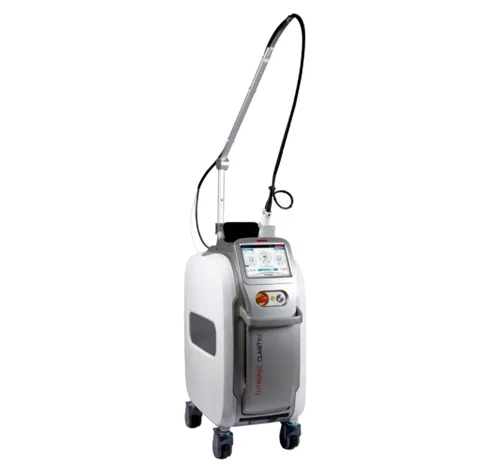
Skin Pigmentation Treatment Seoul Why the Pigment Type — Not the Device — Decides the Plan
A skin pigmentation treatment seoul plan starts by identifying the pigment: surface types like freckles, sun spots and much of melasma versus deeper dermal types such as nevus of Ota, since depth and cause change the approach. RE:BERRY Hongdae grades pigment type in a 60-90 minute same-doctor consultation from ₩100,000 (about $71) at Hongik University Station, direct on the AREX airport line.
Visit RE:BERRY across Seoul, Korea
Hongdae opens soon. Until then, explore our flagships — tap a clinic to view it.
ONE RE:BERRY BRAND · MFDS-REGISTERED DEVICES · MULTILINGUAL CARE AT EVERY LOCATION
How does a skin pigmentation treatment seoul plan decide which approach to use?
A skin pigmentation treatment seoul plan begins by classifying the pigment — epidermal types (freckles, sun spots, most melasma) versus dermal types (nevus of Ota, ABNOM) and PIH — because depth and cause change the device, session count and PIH risk. RE:BERRY Hongdae grades pigment type in a 60-90 minute consultation from ₩100,000 (about $71), one doctor throughout, at Hongik University Station.
Skin pigmentation is not one condition but a family of concerns caused by uneven melanin, and a good skin pigmentation treatment seoul plan starts by naming the type rather than reaching straight for a laser. The first split is depth: epidermal (surface) pigment includes freckles (ephelides), sun spots (solar lentigines) and much of melasma, while dermal (deeper) pigment includes nevus of Ota and acquired bilateral nevus of Ota-like macules (ABNOM); post-inflammatory hyperpigmentation (PIH) can sit at either level. This matters because depth changes everything downstream — epidermal pigment generally responds faster to gentle, pigment-selective lasers, light devices and topical agents that reduce melanin, whereas dermal pigment usually needs pigment-targeting lasers over more sessions and more patience. The cause matters too: melasma is hormone- and light-driven and rebounds if treated aggressively, so it is handled with conservative low-fluence toning rather than high-energy passes. On one face several types often coexist, which is why a clinician assesses pigment type and depth in person before selecting any device, and why the plan is layered and staged rather than a single fix. Because Asian (Fitzpatrick III-V) skin is prone to PIH, conservative settings and strict sun protection are central. RE:BERRY Hongdae runs a 60-90 minute one-to-one consultation with Dr. Jae-Hong Kim (Korean Ministry of Health and Welfare Medical License No. 138911) to grade your pigment, confirm the MFDS-cleared device, and publish pricing before booking — with 8-language coordination for visitors on the AREX line at Hongik University Station in Mapo-gu.
Skin Pigmentation Treatment Seoul Pricing at RE:BERRY Hongdae
Skin Pigmentation Treatment Seoul — What to Expect at RE:BERRY Hongdae
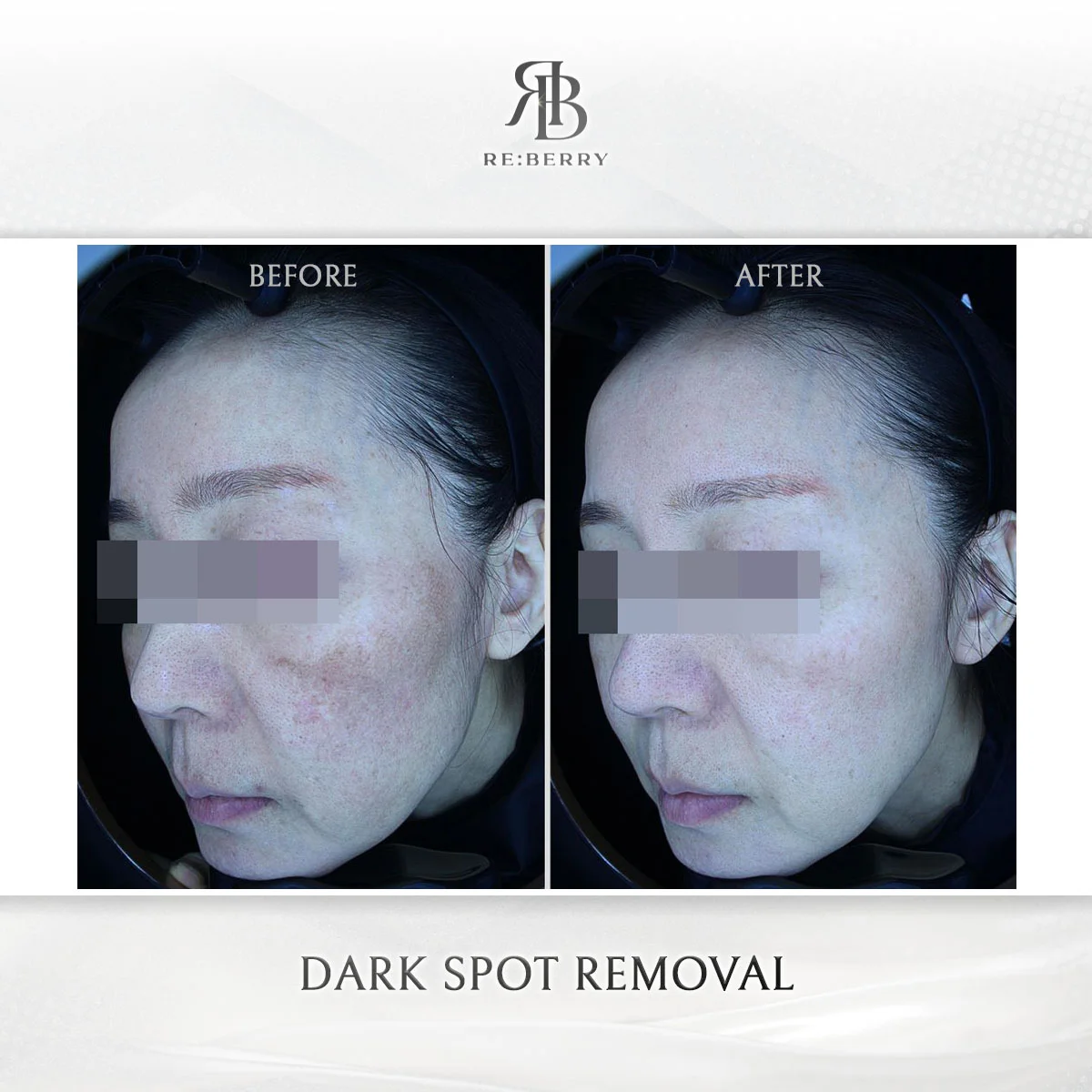
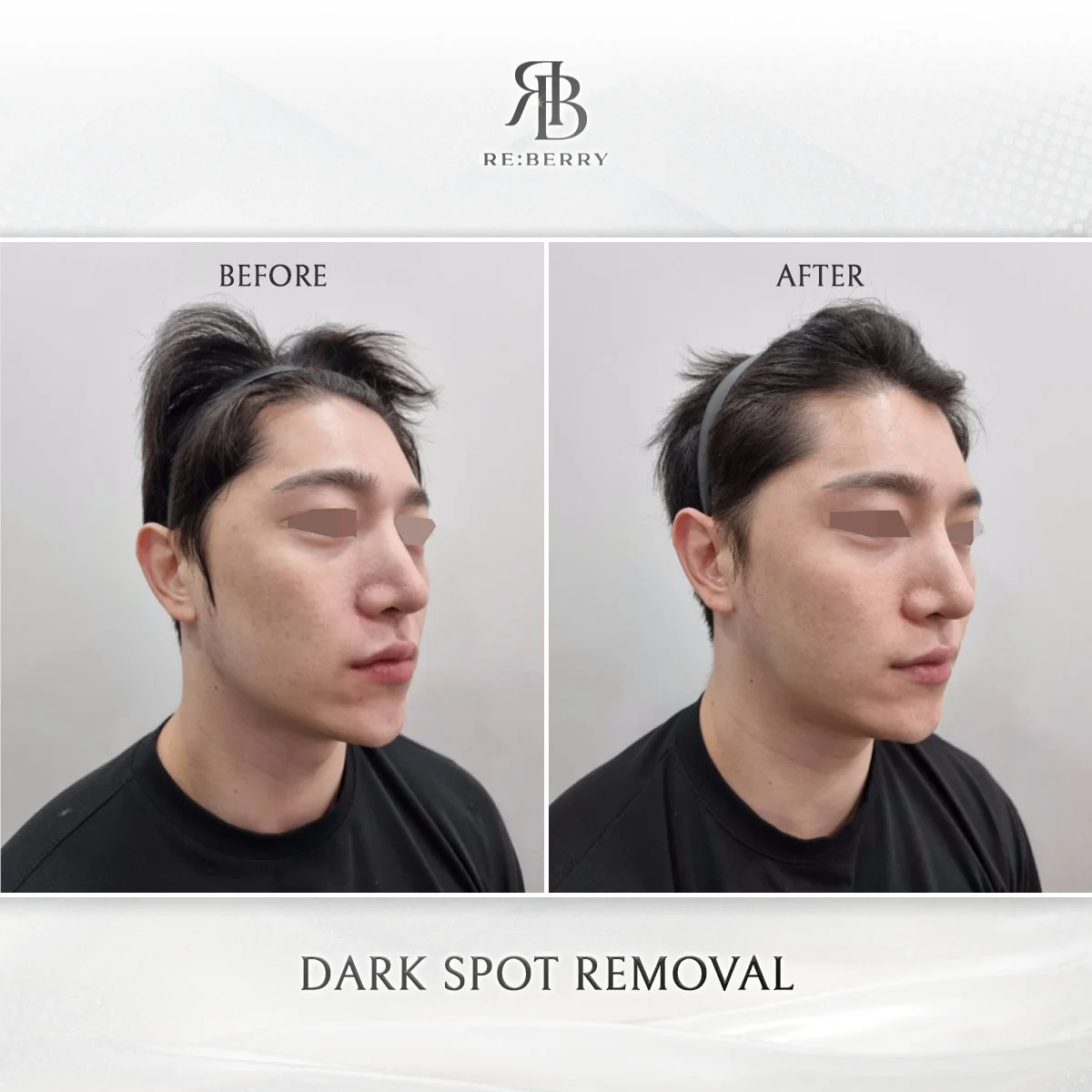
How RE:BERRY Hongdae Classifies and Plans Skin Pigmentation Treatment Seoul — 5 Steps
Step 1: Depth assessment — epidermal or dermal
Every plan starts with a 60-90 minute doctor-led consultation — over 15x Korea’s 4.3-minute average — to place pigment as epidermal or dermal. RE:BERRY Hongdae grades depth first because surface and deeper pigment need different devices and session counts across a skin pigmentation treatment seoul course.
Step 2: Type and cause classification
RE:BERRY Hongdae then sorts pigment into 5 working types — freckles, solar lentigines, melasma, PIH and dermal (nevus of Ota / ABNOM) — since cause changes the approach. Melasma, being hormone- and light-driven, is flagged for conservative settings rather than high-energy passes.
Step 3: PIH-risk grading for Asian skin
For Fitzpatrick III-V skin, RE:BERRY Hongdae grades post-inflammatory hyperpigmentation risk before choosing parameters. This 1 safety step lowers the chance of triggering new pigment, because over-treating the wrong type is a leading cause of rebound darkening in darker skin.
Step 4: Matching device and cadence to type
RE:BERRY Hongdae maps each type to a modality and interval: epidermal spots may take 1-2 pigment-selective passes, while melasma and dermal pigment need a gentler series over more sessions. The plan is layered so coexisting types are staged rather than treated all at once.
Step 5: Sun protection and staged review
Between sessions, RE:BERRY Hongdae builds in 2 essentials — daily broad-spectrum sun protection and gentle skincare — then reviews progress via WhatsApp. It confirms the full quote from ₩100,000 (about $71) before you travel, with no separate consultation or numbing charge.
Why a Type-First Approach to Pigmentation Suits Foreign Visitors in Seoul
- The pigment is classified before any device Rather than treating every dark spot the same way, RE:BERRY Hongdae grades type and depth first, so a skin pigmentation treatment seoul plan matches your pigment rather than a generic menu. Booking from ₩100,000 (about $71) follows a diagnosis, not a guess, which is what protects darker skin from PIH.
- Depth-aware expectations, set honestly Epidermal pigment often clears faster while dermal types typically need more sessions and patience. RE:BERRY Hongdae explains this up front so you know whether your pigment fits 1-2 visits or a staged series across repeat trips, rather than expecting a single-session fix that does not exist for melasma.
- PIH-conservative protocols for Fitzpatrick III-V Because Asian skin is prone to post-inflammatory hyperpigmentation, RE:BERRY Hongdae uses conservative, low-fluence settings tuned to type. Treating the wrong pigment type aggressively is a leading cause of new dark spots, so the plan protects skin tone while it clears pigment.
- Fits short trips or repeat visits RE:BERRY Hongdae sits on the AREX line at Hongik University Station, 1 no-transfer ride from Incheon Airport Terminal 1 and Terminal 2. A discrete-spot plan can start on a short trip, while a melasma or dermal series is planned across repeat visits to Seoul, with pricing confirmed before booking.
| Timeline | What to Expect |
|---|---|
| Before travel | Send photos and dates on WhatsApp; receive 1 full quote |
| Session 1 | 60-90 min consultation, pigment-type grading, first pass if suitable |
| Weeks apart | Sessions spaced by type; plan adjusted each visit |
| 4 weeks | WhatsApp review of progress and sun-protection routine |
Skin Pigmentation Treatment Seoul — Approach by Pigment Type
| Criteria | Epidermal (Freckles / Sun Spots) | Melasma (Mixed) | Dermal (Nevus of Ota / ABNOM) | Source |
|---|---|---|---|---|
| Typical depth | Surface epidermal | Epidermal + dermal mix | Deep dermal | Peer-reviewed classification |
| Course length | Often 1-2 sessions | A gentle series | More sessions, patience | Asian-skin trial evidence |
| Laser mode | Pigment-selective pass | Low-fluence toning | Pigment-targeting passes | Device manufacturer specs |
| Rebound / PIH risk | Lower | Higher if over-treated | Managed conservatively | Peer-reviewed literature |
| Sun protection role | Important | Foundational | Foundational | Peer-reviewed literature |
| Fits a short trip | Usually yes | Partial; plan repeat visits | Plan across repeat visits | RE:BERRY records |
| Assessment needed | In-person grading | In-person grading | In-person grading | RE:BERRY protocol |
| Doctor continuity | Same assigned doctor | Same assigned doctor | Same assigned doctor | RE:BERRY policy |
Why This Matters
Depth is the first fork in a pigmentation plan. Epidermal freckles and sun spots often clear in 1-2 pigment-selective passes, while dermal nevus of Ota needs pigment-targeting passes over more sessions. RE:BERRY Hongdae grades depth in a 60-90 minute consultation before any device is chosen.
Doctor continuity directly shapes outcomes across a staged, multi-type plan. According to KHIDI’s 2025 Medical Tourism Survey, 41.4% of international patients ranked ‘same doctor throughout treatment’ as their number-one priority when choosing a Korean clinic in Seoul. RE:BERRY Hongdae assigns one doctor per patient from consultation to aftercare.
Korea’s average outpatient consultation is 4.3 minutes — the shortest in the OECD, against a 16.4-minute member average. RE:BERRY Hongdae’s 60-90 minute consultations run over 15x the national norm, enough to classify overlapping pigment types properly. Source: KHIDI 2025; OECD Health Statistics 2023.
Your Physician at RE:BERRY Hongdae
Dr. Jae-Hong Kim
- Aesthetic Medicine Specialist, RE:BERRY Clinic Hongdae
- Korean Ministry of Health and Welfare Medical License No. 138911
- Regular Member, Korean Dermatological Association (kda.or.kr)
- Lead physician for the RE:BERRY Hongdae clinic protocol
Medically reviewed by Dr. Jae-Hong Kim, Aesthetic Medicine Specialist, RE:BERRY
SCIENTIFIC EVIDENCE — peer-reviewed references behind skin pigmentation treatment seoul standards at RE:BERRY
The 6 peer-reviewed references below span more than 15 years of classification and Asian-skin trial data on pigment type, depth and PIH-safe laser settings — the evidence base for grading pigment before choosing any device in a skin pigmentation treatment seoul plan.
Classifying Asian pigmentary disorders
A review of common pigmentary disorders in Asian skin catalogued the epidermal and dermal pigment types — ephelides, solar lentigines, melasma, PIH and nevus of Ota / ABNOM — and set out why classification by depth and cause is the first clinical step across the 3 main pigment groups.
Ho SG, Chan HH. The Asian dermatologic patient: review of common pigmentary disorders and cutaneous diseases with associated cutaneous eruptions. Am J Clin Dermatol. 2009;10(3):153-168. doi:10.2165/00128071-200910030-00002
Picosecond lasers across pigment types in Asian patients
A 2021 meta-analysis and systematic review of picosecond laser treatment in Asian patients pooled data across multiple pigment types, quantifying clearance and adverse-event rates and supporting type-matched, conservative parameters over a one-size-fits-all high-energy approach.
Dong W, Wang N, Ma Y, et al. Treatment of pigmentary disorders using picosecond laser in Asian patients: A meta-analysis and systematic review. Dermatol Ther. 2021;34(1):e14709. doi:10.1111/dth.14709
Melasma as a distinct, photoaging-driven type
Evidence reframing melasma as a photoaging disorder explains why this 1 pigment type rebounds under aggressive treatment and light exposure, reinforcing conservative low-fluence toning plus strict sun protection rather than the higher-energy passes used on discrete lentigines.
Passeron T, Picardo M. Melasma, a photoaging disorder. Pigment Cell Melanoma Res. 2018;31(4):461-465. doi:10.1111/pcmr.12684
Laser toning safety in Asian skin
A 2016 randomized controlled trial of laser toning for melasma in Asian skin reported efficacy alongside the PIH risk that low-fluence protocols are designed to limit across the treated cohort, guiding the conservative settings used for Fitzpatrick III-V skin.
Chan JCY, et al. A randomized controlled trial of laser toning for melasma in Asian skin. Lasers Surg Med. 2016;48(1):23-29. doi:10.1002/lsm.22443
Korean split-face and system-level evidence
Korean data anchors the standard: a Korean split-face study combining 1064-nm Q-switched and 755-nm picosecond toning reported comparative outcomes for melasma and photoaging, and OECD 2023 data (a Korean outpatient mean of 4.3 minutes versus a 16.4-minute member average) quantifies why a longer, structured consultation is needed to classify overlapping pigment types.
Kim HS, et al. Combined 1064-nm Q-switched and 755-nm picosecond laser toning for melasma and photoaging: a Korean split-face study. Ann Dermatol (Seoul). 2022;34(6):453-461.
OECD Health Statistics 2023. Consultation length and patient experience indicators. Paris: OECD Publishing; 2023. doi:10.1787/health-data-en
Only Authentic, Brand-Certified Equipment
Every device at RE:BERRY is MFDS-certified and manufacturer-verified. We never use counterfeit or grey-market equipment.
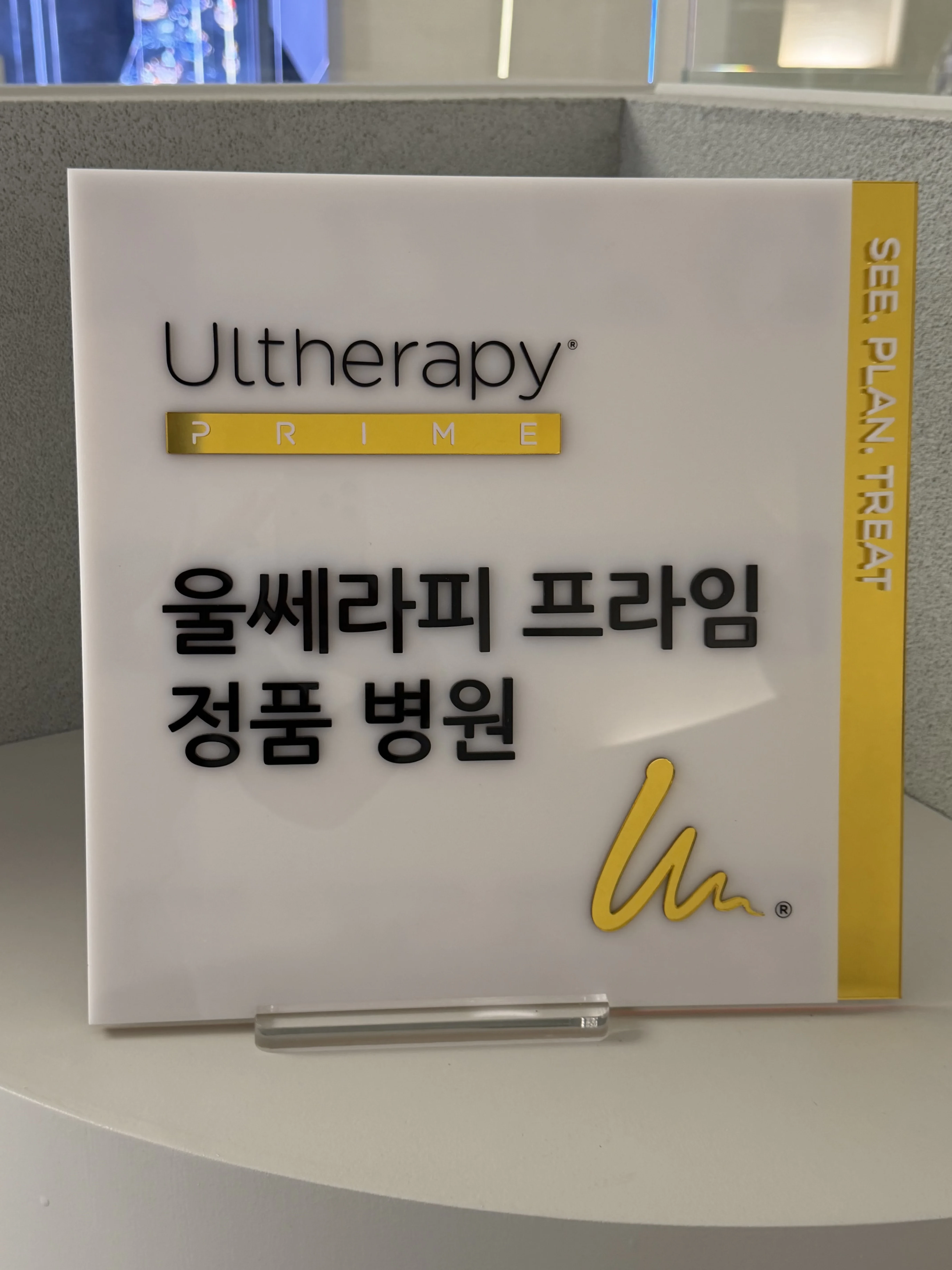
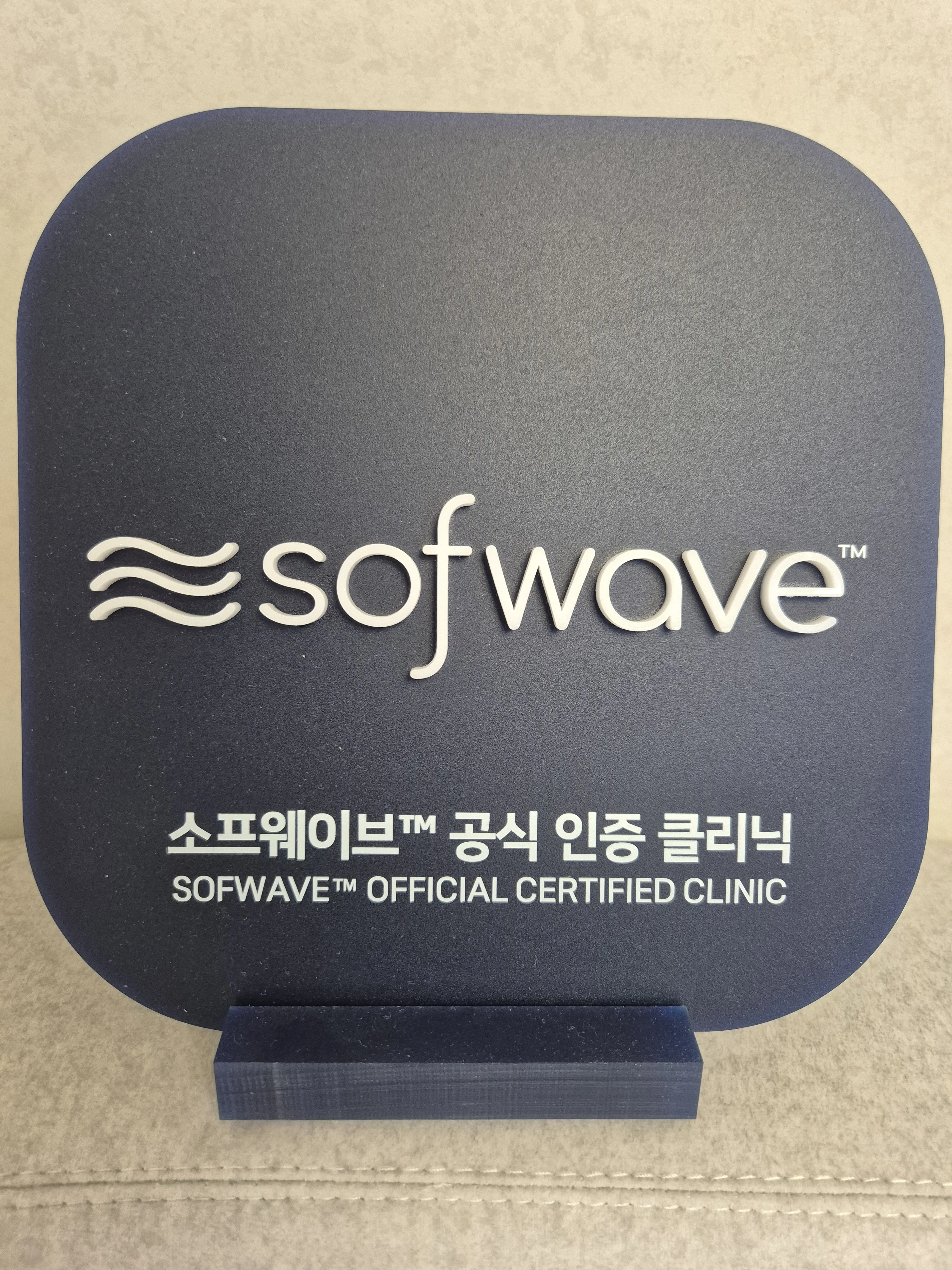
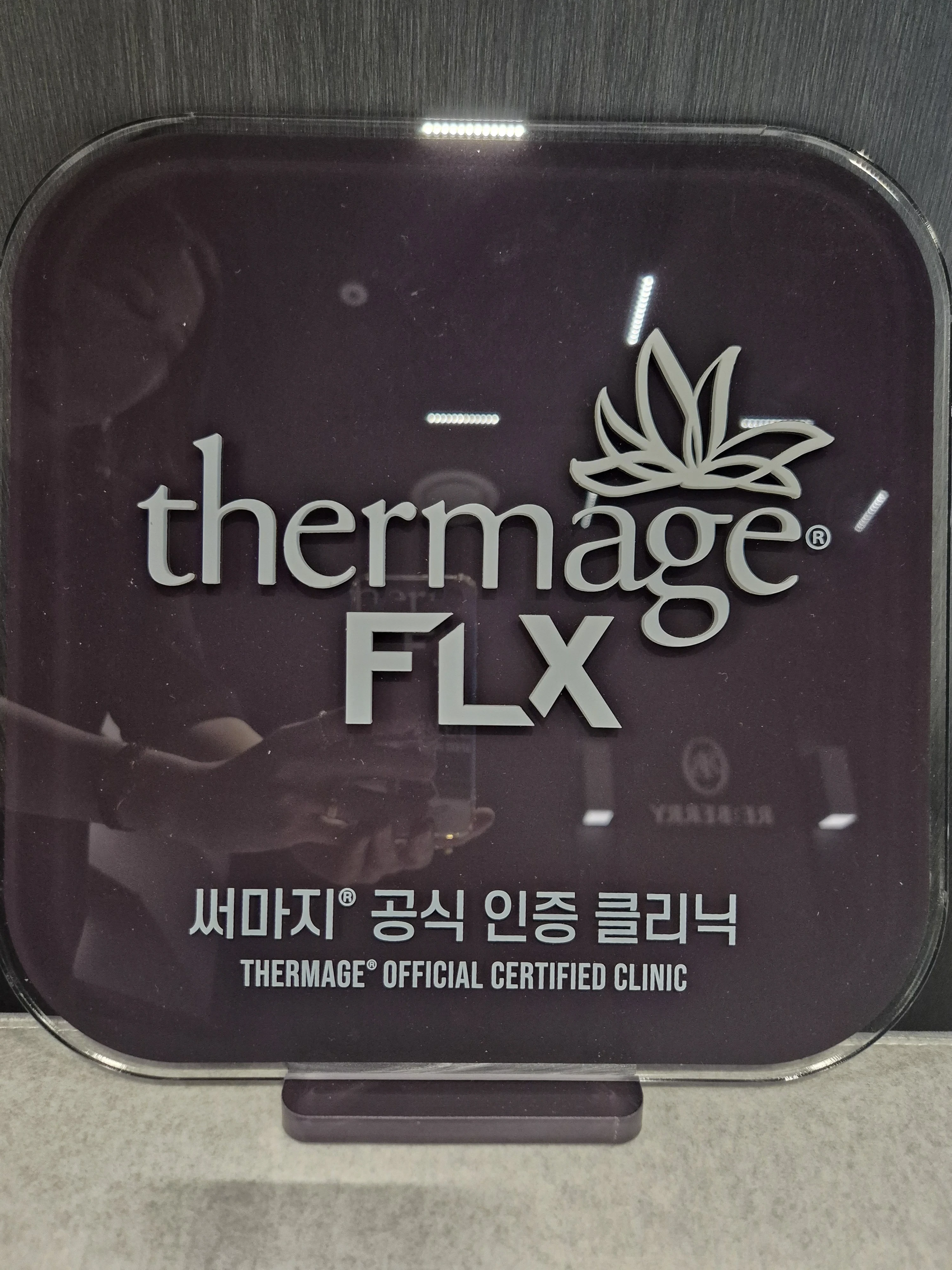
Brand-Authenticated Equipment & Training



Our doctors are certified by Korea’s top dermatological societies




Numbers That Tell Our Story
Real procedures performed.
Skin Pigmentation Treatment Seoul — Frequently Asked Questions
Pigment-type classification, depth, session counts, PIH safety and travel answers for skin pigmentation treatment seoul visitors at RE:BERRY, updated for 2026.
What are the different types of skin pigmentation, and how do they differ?
RE:BERRY Hongdae sorts pigment into 5 working types: freckles, sun spots, melasma, PIH, and dermal types like nevus of Ota. The first split is depth — epidermal (surface) versus dermal (deeper) — because it changes the device, the session count and the risk profile of any skin pigmentation treatment seoul plan.
What is the difference between epidermal and dermal pigmentation?
RE:BERRY Hongdae explains that epidermal pigment sits at the surface and often clears in 1-2 pigment-selective passes, while dermal pigment sits deeper and needs pigment-targeting passes over more sessions. This 1 distinction is why grading depth in Seoul comes before any device is chosen for pigmentation.
How do I tell melasma apart from freckles, sun spots, and PIH?
RE:BERRY Hongdae differentiates them by pattern, cause and depth across the 4 types. The table summarises it:
| Type | Look | Depth |
|---|---|---|
| Freckles | Small, sun-driven | Epidermal |
| Sun spots | Defined brown | Epidermal |
| Melasma | Symmetrical patch | Mixed |
| PIH | After inflammation | Either |
How much does skin pigmentation treatment cost in Korea by type?
RE:BERRY Hongdae publishes transparent pricing before you book, with 1 full quote confirmed on WhatsApp once your pigment type is graded. Korean clinics run higher pigment-laser volume than most Western markets, which supports consistent, published pricing rather than an opaque per-visit rate.
Is pigmentation treatment in Korea more experienced than in the US or Japan?
RE:BERRY Hongdae plans type-matched care where Korean clinics run higher pigment-laser volume than most US and Japan clinics, and Seoul recorded over 1,170,000 foreign-patient treatments in 2024 per KHIDI. That volume builds type-classification experience — see the hyperpigmentation guide, and verify each clinic’s license.
Why does the type of pigmentation change which treatment is used?
RE:BERRY Hongdae matches modality to type because depth and cause differ: epidermal spots take 1-2 pigment-selective passes, while melasma needs gentler low-fluence toning to avoid rebound. Korean clinics run higher pigment-laser volume than most Western markets — see the melasma guide for the melasma-specific approach.
What is nevus of Ota, and how is it different from surface pigmentation?
RE:BERRY Hongdae classes nevus of Ota as 1 dermal (deep) pigment type, unlike surface freckles or sun spots. Because it sits deeper, it needs pigment-targeting passes over more sessions and more patience — the doctor grades this depth during a 60-90 minute consultation before planning any device in Seoul.
Why do dermal pigment types need more sessions than surface spots?
RE:BERRY Hongdae explains that dermal pigment sits below the surface, so light must fragment melanin at depth across more sessions than the 1-2 needed for epidermal spots. Korean clinics run higher pigment-laser volume than most Western markets, so realistic session counts in Seoul follow evidence, not guesswork.
How is pigmentation assessed before choosing a treatment in Korea?
RE:BERRY Hongdae assesses pigment in person across depth, type and cause during a doctor-led consultation running 60-90 minutes, over 15x Korea’s 4.3-minute outpatient average. This in-person grading, rather than a photo-only estimate, is a core safety step before any device is selected for your skin in Seoul.
Why does treating the wrong pigment type sometimes make it worse?
RE:BERRY Hongdae notes that over-treating melasma or dermal pigment with high-energy passes can trigger 1 common complication — new post-inflammatory hyperpigmentation — especially in darker skin. That is why correct classification comes first, plus the mild redness and temporary darkening of any downtime — see the hyperpigmentation guide.
How is pigmentation treated safely on Asian skin without new dark spots?
RE:BERRY Hongdae uses conservative, low-fluence settings and strict sun protection tuned to Fitzpatrick III-V skin, because darker skin has a higher PIH risk. Its 30+ device certificates are verified, and settings are eased at the first sign of side effect or reaction across a skin pigmentation treatment seoul course.
How many sessions does pigmentation treatment usually take by type?
RE:BERRY Hongdae sets counts by type: discrete sun spots often need 1-2 sessions, while melasma and dermal pigment need a series spaced weeks apart. Improvement builds gradually rather than overnight, and your doctor tracks it via WhatsApp between Seoul sessions of the pigmentation course.
Can different types of pigmentation exist at the same time on one face?
Yes — RE:BERRY Hongdae often finds 2 or more coexisting types, such as sun spots plus melasma, on a single face. It stages a layered plan so each type is treated with the right setting rather than 1 blanket pass — see the melasma guide for the mixed-pigment approach.
Are the lasers used for pigmentation officially approved in Korea?
RE:BERRY Hongdae keeps certificates for its 30+ devices on file, and Korea’s MFDS runs a public database where any laser’s clearance is searchable. Ask any Seoul clinic for the exact model used for your pigment type and cross-check it, rather than trusting the badge on the machine before booking.
Why choose RE:BERRY for skin pigmentation treatment in Hongdae?
3 things define RE:BERRY Hongdae: pigment classified by type and depth before any device, MFDS-cleared lasers with same-doctor continuity, and PIH-safe settings for Fitzpatrick III-V skin. The clinic sits in Hongdae’s design district on the AREX airport line — see the clinic contact page to start.
Plan Your Skin Pigmentation Treatment Seoul With a Type-First Assessment
Get your pigment classified by type and depth — freckles, sun spots, melasma, PIH or dermal — in a 60-90 minute doctor-led consultation with Dr. Jae-Hong Kim, with transparent pricing from ₩100,000 (about $71) published before you book. RE:BERRY Hongdae sits directly on the AREX airport line at Hongik University Station. This information is for educational purposes only and is not medical advice; consult a licensed physician for individual guidance. Your skin pigmentation treatment seoul plan is confirmed in writing before you book.
Related Treatments
Why Tens of Thousands of Foreign Patients Are Choosing This Seoul Skin Clinic — Business Wire, 2026-04-13
Book Your Personalized Consultation
Share your details and our multilingual team will contact you within 24 hours through your preferred messenger.
- ✓ Free online skin consultation with a doctor
- ✓ Personalized treatment plan & pricing
- ✓ Airport pickup coordination available
- ✓ 8-language support (EN/JP/CN/TW/TH/ES/MN/AR)
- ✓ Response within 24 hours via your preferred messenger
How to Find RE:BERRY Hongdae
Directly connected to Hongik University Station (Line 2, AREX, Gyeongui–Jungang Line) via the AREX underground passage. 3F & B2, 140 Yanghwa-ro, Mapo-gu, Seoul.
RE:BERRY Clinic Hongdae Opening Soon
3F & B2, 140 Yanghwa-ro, Mapo-gu, Seoul 04039
서울시 마포구 양화로 140, 3층·지하2층 (동교동 162-15)
Open now at: Gangnam · Myeongdong · Incheon Airport