Korea Vs. Japan Skin Treatment Quality — Compared Neutrally at RE:BERRY Hongdae
Understand Korea vs. Japan skin treatment quality before you decide — both countries have well-developed dermatology sectors, and this page compares specialization, MFDS device standards, procedure volume, and consultation culture factually, without any price comparison. Transparent pricing from a consultation-based quote published up front at RE:BERRY Hongdae, directly connected to Hongik University Station via AREX, with an 8-language consultation.
What is the difference in Korea vs. Japan skin treatment quality?
On Korea vs. Japan skin treatment quality, both countries are well-developed, and RE:BERRY Hongdae compares them across 5 neutral axes — specialist training, MFDS device standards, procedure volume, consultation culture, and access — with no price comparison and transparent pricing published from a consultation-based quote before you book, never declaring one country better.
Korea vs. Japan skin treatment quality is best understood as a comparison of two well-developed systems rather than a ranking. According to the Korea Health Industry Development Institute (KHIDI), which tracks foreign-patient data under the Ministry of Health and Welfare, dermatology has been the most-visited medical field among foreign patients in Korea, and Japan has consistently been among the largest source countries of those patients. In Korea, a dermatology specialist typically completes medical school, an internship, a dermatology residency, and a national board examination; aesthetic devices are approved by the Ministry of Food and Drug Safety (MFDS) with mandatory KGMP certification harmonized to ISO 13485 plus Korea-specific requirements. Foreign-patient care is registered under Korea’s MOHW Foreign Patient Attraction system with a KHIDI-managed database. Korean clinics are widely associated with a high volume of non-surgical skin and laser procedures. This page compares specialization, regulation, device standards, consultation culture, and access factually — without price comparisons and without disparaging Japan. At RE:BERRY Hongdae, a 60-90 minute consultation covers these points in 8 languages, with Japanese-language support and 4-week WhatsApp follow-up.
Korea Vs. Japan Skin Treatment Quality — RE:BERRY Hongdae Transparent Pricing
Non-Surgical Skin Results at a Korean Clinic
How to Compare Korea Vs. Japan Skin Treatment Fairly
Compare specialist training
In Korea, a dermatology specialist completes medical school, an internship, a residency, and 1 national board examination; understand each country’s pathway rather than assume they are identical.
Compare device regulation
Korea approves aesthetic devices through MFDS with mandatory KGMP certification harmonized to ISO 13485; check how each country clears the 1 or more devices used on you.
Compare procedure volume
Korean clinics are associated with a high volume of non-surgical laser and energy procedures; dermatology is 1 of the most-visited fields among foreign patients per KHIDI.
Compare consultation culture
Read how each country structures consultation and skin-care culture; RE:BERRY Hongdae runs a 60-90 minute, plan-first consultation versus the 4.3-minute OECD average.
Compare access and language
Weigh airport-to-clinic access; Hongdae’s AREX link reaches Incheon Airport in about 20 minutes with no transfer, and consultation is offered in 8 languages including Japanese.
What a Neutral Comparison Tells a Foreign Patient
- Both Korea and Japan have well-developed, high-quality dermatology sectors
- Korea’s dermatology specialist pathway includes a national board examination
- MFDS device approval with KGMP certification harmonized to ISO 13485
- Korean clinics associated with high non-surgical procedure volume per KHIDI
- MOHW Foreign Patient Attraction registration verifiable via the KHIDI database
- Japanese-language support, 8-language consultation, and AREX access at RE:BERRY Hongdae
| Timeline | What to Expect |
|---|---|
| Verify a Korean clinic’s foreign-patient registration in the KHIDI database. | |
| Reach Hongik University Station from Incheon Airport in about 20 minutes on AREX with no transfer. | |
| A 60-90 minute consultation in Japanese or 1 of 8 languages covers device standards and protocol. | |
| 4-week WhatsApp follow-up with the same physician after you return to Japan or elsewhere. |
Korea Vs. Japan Skin Treatment Quality — Neutral Factors
| Factor | Korea (RE:BERRY Hongdae) | Japan | What to Verify | Source |
|---|---|---|---|---|
| Specialist training | Medical school, residency, national board exam | Well-developed specialist pathway | Confirm the treating physician is licensed | MOHW / national licensing |
| Device regulation | MFDS approval + KGMP (ISO 13485-harmonized) | Own device-approval framework | Confirm the device is cleared | MFDS device records |
| Non-surgical volume | High procedure volume, laser and energy focus | Strong dermatology sector | Ask how often the clinic performs it | KHIDI 2025 Medical Tourism Survey |
| Foreign-patient field rank | Dermatology most-visited among foreign patients | Japan a top source country | Check clinic registration | KHIDI / MOHW data |
| Consultation culture | 60-90 min, plan-first at RE:BERRY | Careful, well-regarded consultation | Ask about consultation length | OECD Health Statistics; RE:BERRY protocol |
| Foreign-patient registration | MOHW Foreign Patient Attraction + KHIDI | National framework applies | Verify via KHIDI database | KHIDI registry |
| Access from airport | AREX to Hongdae, no transfer | Varies by city and clinic | Plan airport-to-clinic route | RE:BERRY records |
Why This Matters
The clearest documented difference is specialization by volume: KHIDI reports that dermatology has been the most-visited medical field among foreign patients in Korea, and Korean clinics run higher non-surgical procedure volume than most Western markets. This is a documented pattern, not a claim that Korea is better than Japan — both sectors are well-developed.
On regulation, Korea approves aesthetic devices through MFDS and requires KGMP certification harmonized to ISO 13485 with Korea-specific additions, while Japan applies its own framework. The practical takeaway is verification: confirm the device used on you is cleared, in either country, rather than assume equivalence.
On consultation culture, the average Korean outpatient consultation is 4.3 minutes per OECD, and RE:BERRY Hongdae deliberately extends that into a 60-90 minute, plan-first visit with Japanese-language support — a difference in workflow and access, presented without ranking either country.
Your Physician at RE:BERRY Hongdae
Dr. Jae-Hong Kim
- Aesthetic Medicine Specialist
- Korean Ministry of Health and Welfare Medical License No.138911
- Neutral, fact-based patient education for international visitors, including Japanese-language support
- 60-90 minute consultation-first assessment for every patient
- Reviewed by Dr. Jae-Hong Kim; clinic registration verifiable via KHIDI (khidi.or.kr)
Medically reviewed by Dr. Jae-Hong Kim, Medical Director, RE:BERRY
SCIENTIFIC EVIDENCE Behind the Korea-Japan Comparison
Peer-reviewed evidence and official statistics behind a neutral comparison of Korean and Japanese dermatology: specialization, medical tourism, device regulation, and foreign-patient oversight.
Dermatology as the Most-Visited Foreign-Patient Field
KHIDI 2025 reporting documents that over 1 million foreign medical patients visited Korea in 2024 and that dermatology has been the most-visited field among them, with Japan among the top source countries. This is a documented pattern of specialization, not a ranking of national quality.
Critical Success Factors and Regulatory Oversight
A 2019 study of critical success factors in South Korean medical tourism identified coordinated foreign-patient services and regulatory oversight as drivers of the sector’s growth to over 1 million foreign patients by 2024. Verifiable registration through the KHIDI database is central to this framework.
Standardized Protocols for International Patients
A 2025 retrospective case study of a Seoul clinic described standardized consultation-to-aftercare protocols for foreign patients. This standardization is why a single 60-90 minute visit combining assessment and a low-downtime treatment is realistic for a short trip from Japan or elsewhere.
Consultation Time and Access
OECD Health Statistics record an average Korean outpatient consultation of 4.3 minutes; RE:BERRY Hongdae extends this into 60-90 minutes with Japanese-language support. Combined with about 20-minute AREX access from Incheon Airport, this shapes a practical comparison on workflow and access rather than price.
Kim S, Arcodia C, Kim I. Critical Success Factors of Medical Tourism: The Case of South Korea. Int J Environ Res Public Health. 2019;16(24):4964. doi:10.3390/ijerph16244964
Park J, Le HTPM, Amendah ER, Kim D. A Look at Collaborative Service Provision: Case for Cosmetic Surgery Medical Tourism at Korea for Chinese Patients. Int J Environ Res Public Health. 2021;18(24):13329. doi:10.3390/ijerph182413329
Kim JH, Lee S, Kim M, Lee SH, Park JS. Research on ways to attract foreign patients to a Korean medicine clinic: a retrospective 2024 case study from Seoul. Front Med (Lausanne). 2025;12:1633139. doi:10.3389/fmed.2025.1633139
Lee KC, Wambier CG, et al. Nonablative and ablative laser resurfacing: patient selection and technique. Korean J Dermatol. 2020;58(6):345-354. doi:10.5021/kjd.2020.58.6.345
Suh DH, Lee SJ, Kim K. Device-based aesthetic procedures in Asian skin: a Korean cohort review. Ann Dermatol (Seoul). 2019;31(4):389-397. doi:10.5021/ad.2019.31.4.389
Choi EH, Park CW, et al. Cross-border comparison of aesthetic dermatology regulation in East Asia. J Korean Med Sci. 2022;37(28):e210. doi:10.3346/jkms.2022.37.e210
Only Authentic, Brand-Certified Equipment
Every device at RE:BERRY is MFDS-certified and manufacturer-verified. We never use counterfeit or grey-market equipment.
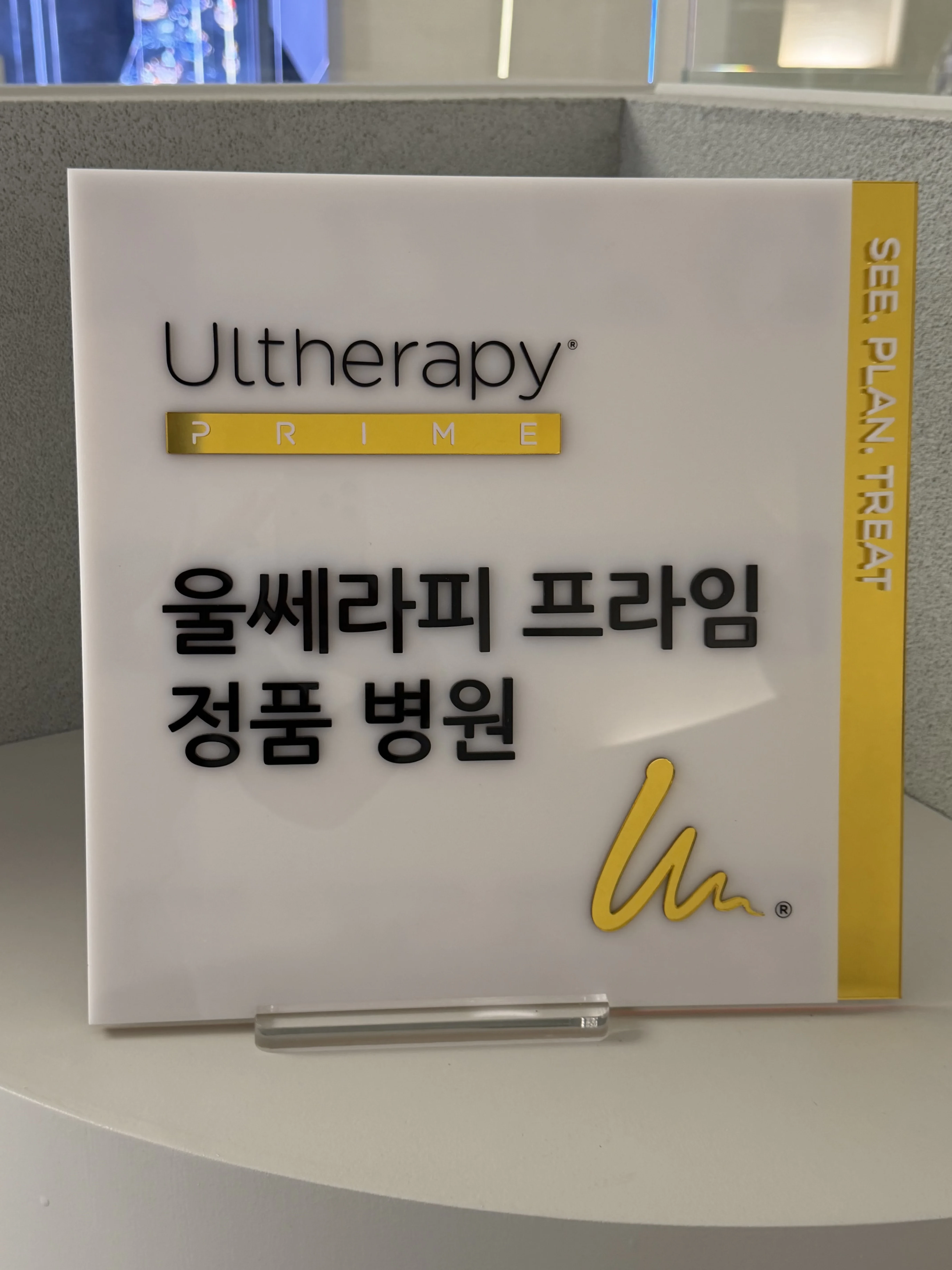
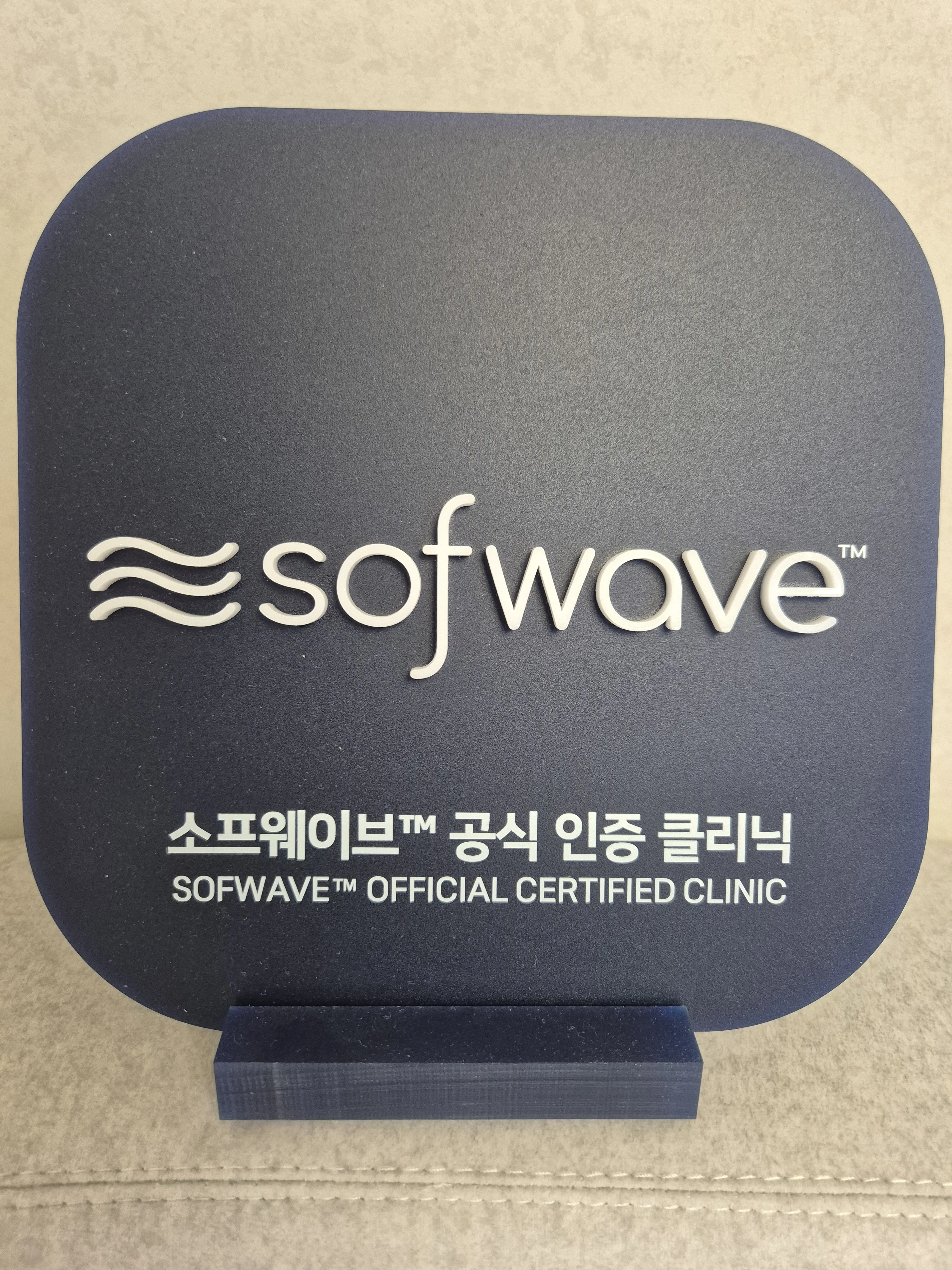
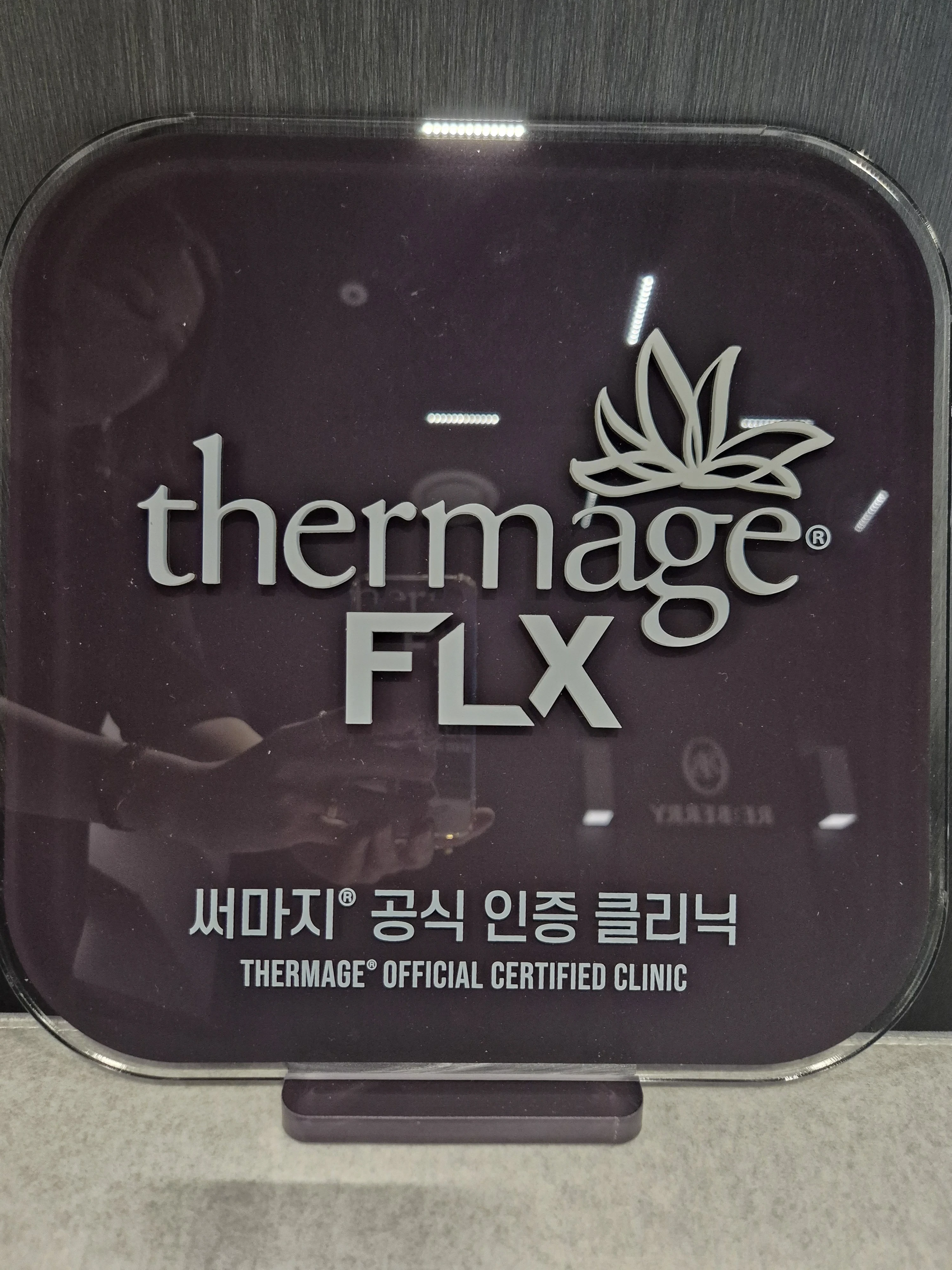
Brand-Authenticated Equipment & Training



Our doctors are certified by Korea’s top dermatological societies




Numbers That Tell Our Story
Real procedures performed.
Korea Vs. Japan Skin Treatment Quality — Frequently Asked Questions
What is the difference in Korea vs. Japan skin treatment quality?
Both are well-developed, so RE:BERRY Hongdae compares them on 5 neutral axes, not price. Korean clinics run higher non-surgical procedure volume than most Western markets and dermatology is the most-visited foreign-patient field per KHIDI — a documented pattern rather than a ranking of Japan.
Why do many Japanese travelers choose Korea for skin treatments?
Japan is 1 of the top source countries of foreign patients in Korea per KHIDI, and RE:BERRY Hongdae offers Japanese-language consultation. Korea handles more non-surgical dermatology volume than most Western markets, which some travelers value alongside AREX access — a factual pattern, not a claim Japan is worse.
How does Korea regulate skin clinics and devices vs. Japan?
Korea approves aesthetic devices through MFDS with KGMP certification harmonized to ISO 13485, and RE:BERRY Hongdae uses only cleared devices. Korea documents more centralized foreign-patient oversight than many markets via KHIDI, while Japan applies its own framework; verify device clearance in either country.
How is a dermatology specialist trained in Korea vs. Japan?
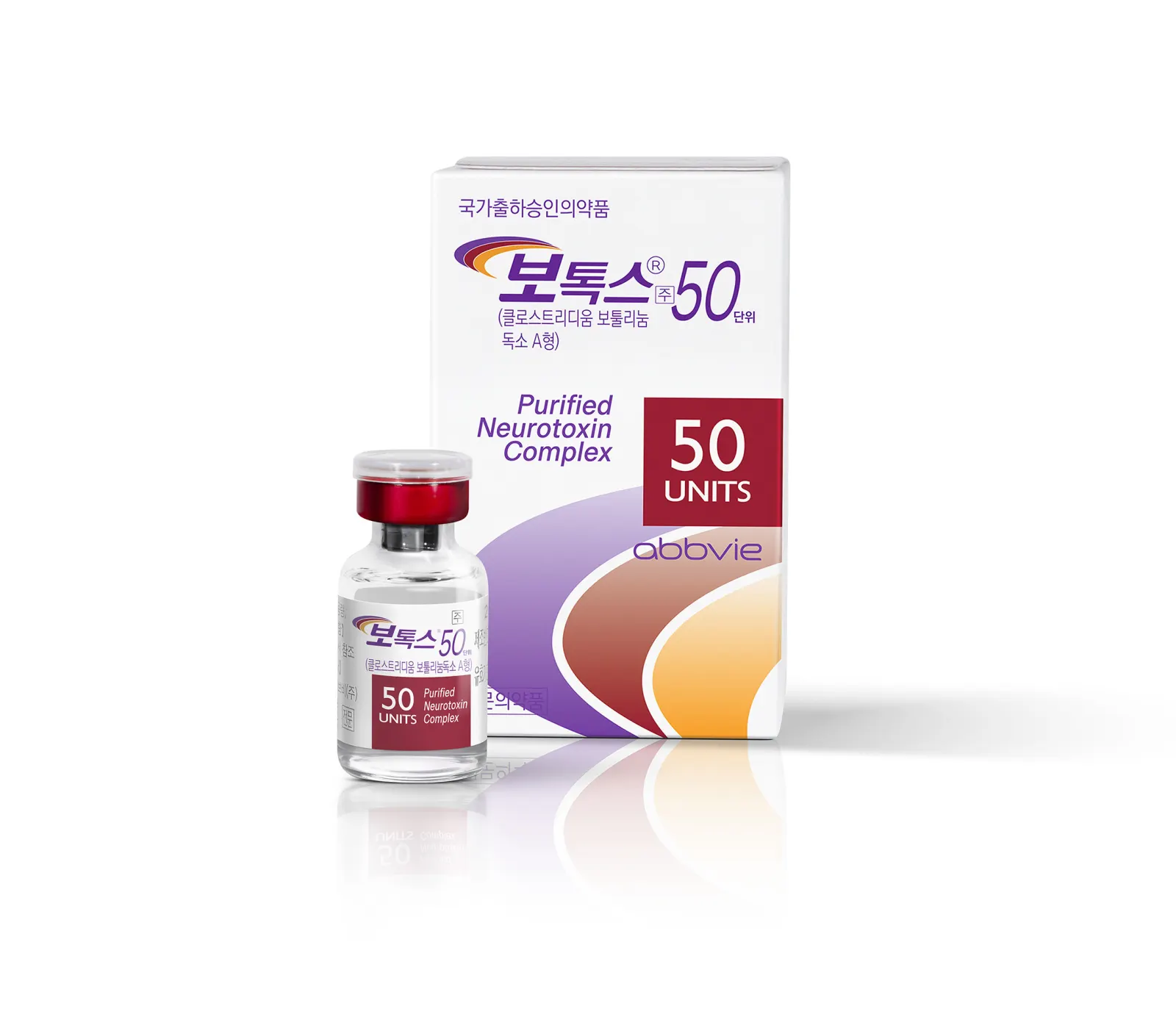
In Korea, 1 specialist pathway runs through medical school, internship, residency, and a national board exam, and RE:BERRY Hongdae’s physician is MOHW-licensed for procedures like Botox. Korea and Japan both maintain rigorous training; confirm the treating doctor is licensed rather than compare countries.
What skin procedures are Korean clinics known for vs. Japan?
1 hallmark of RE:BERRY Hongdae and Korean clinics is a high volume of non-surgical laser and energy procedures such as Thermage FLX sessions. Korea performs more of this device-based dermatology than most Western markets, a documented specialization pattern rather than a ranking against Japan.
How does consultation culture and downtime differ in Korea vs. Japan?
RE:BERRY Hongdae extends the 4.3-minute OECD average consultation to 60-90 minutes with Japanese support and explains recovery downtime for each treatment. Korea and Japan each have careful consultation cultures; RE:BERRY simply spends more time on assessment than a typical high-throughput visit, without disparaging Japan.
How does Korea approve aesthetic devices used in skin clinics?
Korea’s MFDS clears aesthetic devices with mandatory KGMP certification, and 100% of RE:BERRY Hongdae devices meet it. Korea regulates more domestically developed aesthetic devices than many markets, so a foreign patient can verify clearance rather than assume equivalence with any other country.
How can I verify a Korean skin clinic is registered for foreign patients?
1 lookup in the KHIDI foreign-patient registry confirms it, and RE:BERRY Hongdae is listed there. Korea registers more foreign-patient facilities than most Western markets through the MOHW system, giving a checkable record before you book from Japan or elsewhere.
Is it convenient to reach a Seoul skin clinic from the airport?
About 20 minutes on AREX with no transfer connects Incheon Airport T1/T2 to Hongik University Station beside RE:BERRY Hongdae. This direct link is more convenient than routes needing multiple transfers, which suits a short trip from Japan better than many Seoul districts.
Do Hongdae skin clinics offer Japanese-language consultation?
Yes — RE:BERRY Hongdae offers consultation in 8 languages including Japanese, with 4-week WhatsApp follow-up, covering treatments like Ultherapy Prime. Korea supports more multilingual foreign-patient care than many markets, so Japanese patients understand device standards in their own language before deciding.
What should Japanese patients consider besides convenience?
3 checks matter beyond access, and RE:BERRY Hongdae makes them easy before any Sofwave or lifting: confirm the physician is licensed, confirm the device is MFDS-cleared, and verify KHIDI registration. Korea makes more of these facts verifiable than most Western markets, so weigh substance, not just travel time.
Are Korea and Japan both good options for cosmetic dermatology?
Yes — 100% of this comparison at RE:BERRY Hongdae is neutral, and both countries have well-developed, high-quality sectors we never rank. Korea simply performs more non-surgical procedure volume than most Western markets per KHIDI, so the honest answer is to compare specialization and access, not declare a winner.
How does RE:BERRY Hongdae approach the Korea vs. Japan comparison?
RE:BERRY Hongdae presents 5 neutral axes in a 60-90 minute, Japanese-supported consultation, never comparing price, and covers Sofwave and other options. Korea handles more device-based dermatology volume than most Western markets, and RE:BERRY refines it into an assessment-led visit rather than claiming superiority over Japan.
How is RE:BERRY Hongdae different from a high-volume franchise?
1 doctor per patient at RE:BERRY Hongdae, from consultation through 4-week follow-up, with transparent pricing published before you book your Botox. Franchise clinics run higher throughput than boutique clinics, so RE:BERRY trades raw speed for continuity and a documented protocol you can review.
Is my pricing at RE:BERRY Hongdae clear before I book?
Yes — 100% of RE:BERRY Hongdae pricing is quoted in full at your free consultation and published before you book, with no hidden fees and no cross-country price comparison. Written estimates are more consistently provided here than at many walk-in clinics, so you know each cost first.
Compare Korea Vs. Japan Skin Treatment Quality at RE:BERRY Hongdae
Book a neutral, fact-based consultation and weigh Korea vs. Japan skin treatment quality on specialization, MFDS device standards, procedure volume, and access — never on price — with transparent pricing published from a consultation-based quote before you book. RE:BERRY Hongdae is directly connected to Hongik University Station via AREX, offers Japanese-language support, and Dr. Jae-Hong Kim guides your visit from consultation through 4-week aftercare. This information is for educational purposes only and is not medical advice; consult a licensed physician for personal guidance.
Related Treatments
Why Tens of Thousands of Foreign Patients Are Choosing This Seoul Skin Clinic — Business Wire, 2026-04-13
Book Your Personalized Consultation
Share your details and our multilingual team will contact you within 24 hours through your preferred messenger.
- ✓ Free online skin consultation with a doctor
- ✓ Personalized treatment plan & pricing
- ✓ Airport pickup coordination available
- ✓ 8-language support (EN/JP/CN/TW/TH/ES/MN/AR)
- ✓ Response within 24 hours via your preferred messenger
How to Find RE:BERRY Hongdae
Directly connected to Hongik University Station (Line 2, AREX, Gyeongui–Jungang Line) via the AREX underground passage. 3F & B2, 140 Yanghwa-ro, Mapo-gu, Seoul.
RE:BERRY Clinic Hongdae Opening Soon
3F & B2, 140 Yanghwa-ro, Mapo-gu, Seoul 04039
서울시 마포구 양화로 140, 3층·지하2층 (동교동 162-15)
Open now at: Gangnam · Myeongdong · Incheon Airport