Birthmark Removal Laser Seoul 2026 — Which Birthmarks Respond, and How Many Sessions
Fade a pigmented birthmark honestly rather than chase a single promise: birthmark removal laser seoul works best on marks that respond to Q-switched Nd:YAG, while deep marks like nevus of Ota need many sessions. RE:BERRY Hongdae runs a 60-90 minute doctor-led consultation from ₩100,000 (about $71) at Hongik University Station, direct on the AREX airport line.
Visit RE:BERRY across Seoul, Korea
Hongdae opens soon. Until then, explore our flagships — tap a clinic to view it.
ONE RE:BERRY BRAND · MFDS-REGISTERED DEVICES · MULTILINGUAL CARE AT EVERY LOCATION
Can a laser remove a birthmark, and how many sessions does it take?
Yes for many pigmented marks: birthmark removal laser seoul uses Q-switched Nd:YAG to fragment melanin, but session counts differ by type. RE:BERRY Hongdae maps your specific lesion in a 60-90 minute doctor-led consultation from ₩100,000 (about $71) with Dr. Jae-Hong Kim, on the AREX line at Hongik University Station.
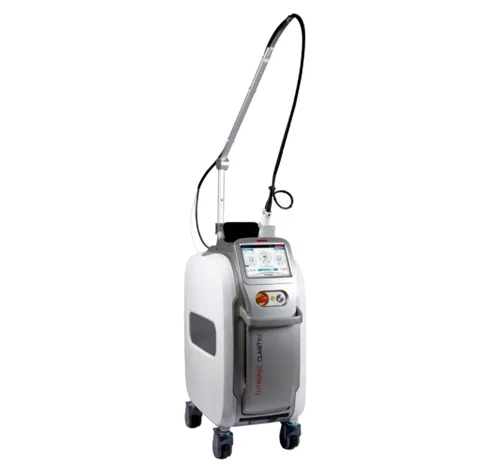
Not every ‘birthmark’ is the same lesion, and that is the honest starting point for birthmark removal laser seoul. Pigmented birthmarks are areas of excess melanin that can sit in the surface (epidermal) layer or deeper (dermal) skin. Q-switched Nd:YAG lasers deliver extremely short, high-intensity pulses at 1064 nm for deeper dermal pigment and 532 nm for more superficial pigment; the energy is absorbed selectively by melanin, fragments it, and the body clears the broken-down pigment over the following weeks. Superficial marks may lighten after a few sessions, while deep dermal lesions such as nevus of Ota often need many sessions spaced weeks apart, and some lesions recur or respond only partially. Certain congenital, atypical, or changing lesions should be evaluated by a physician before any cosmetic laser. RE:BERRY Hongdae is a doctor-led clinic where Dr. Jae-Hong Kim (Korean Ministry of Health and Welfare Medical License No. 138911) assesses your lesion type first, sets realistic session expectations, and coordinates in 8 languages on the AREX line at Hongik University Station in Mapo-gu.
Birthmark Removal Laser Seoul Pricing at RE:BERRY Hongdae
Birthmark Removal Laser Seoul — What a Doctor-Led Visit Looks Like
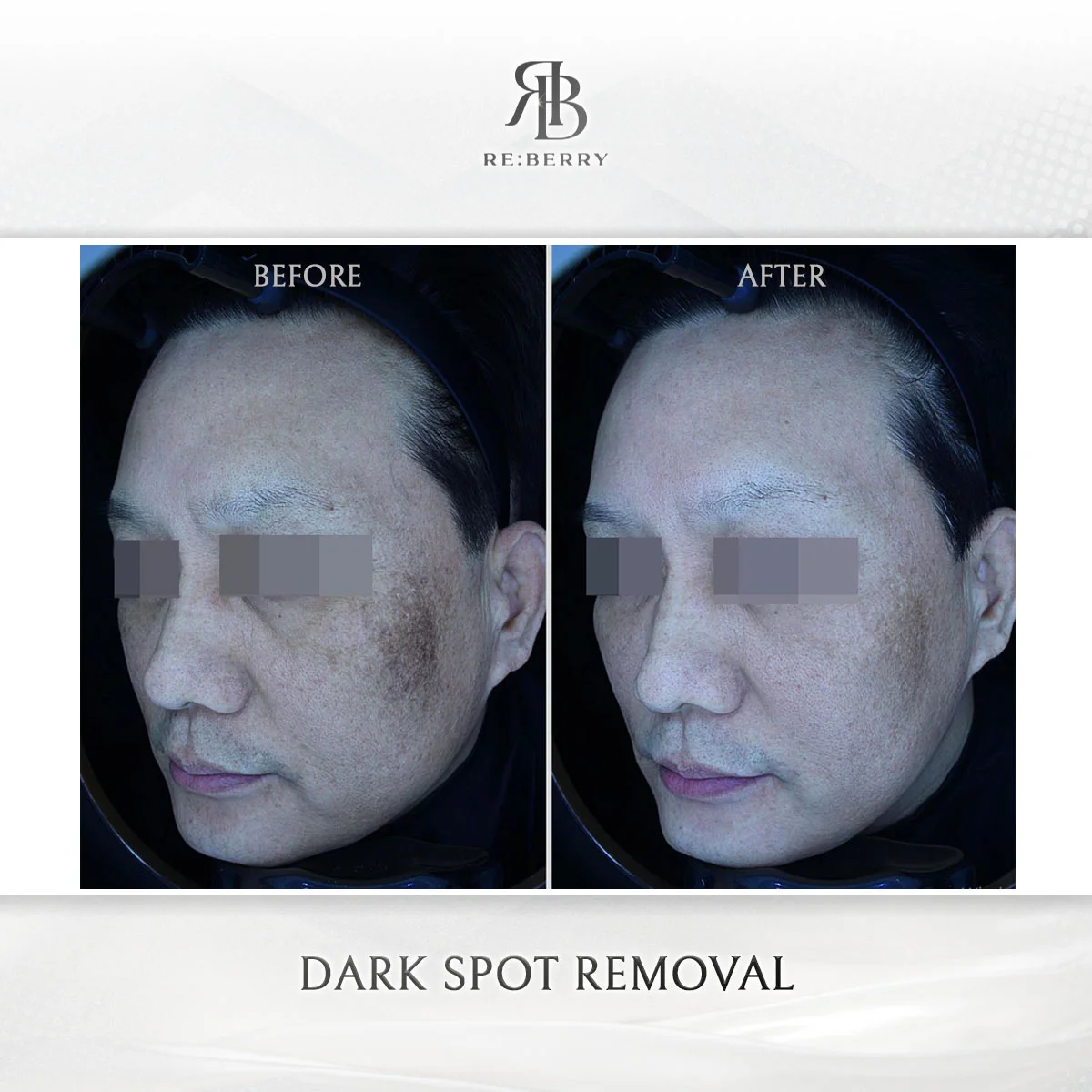
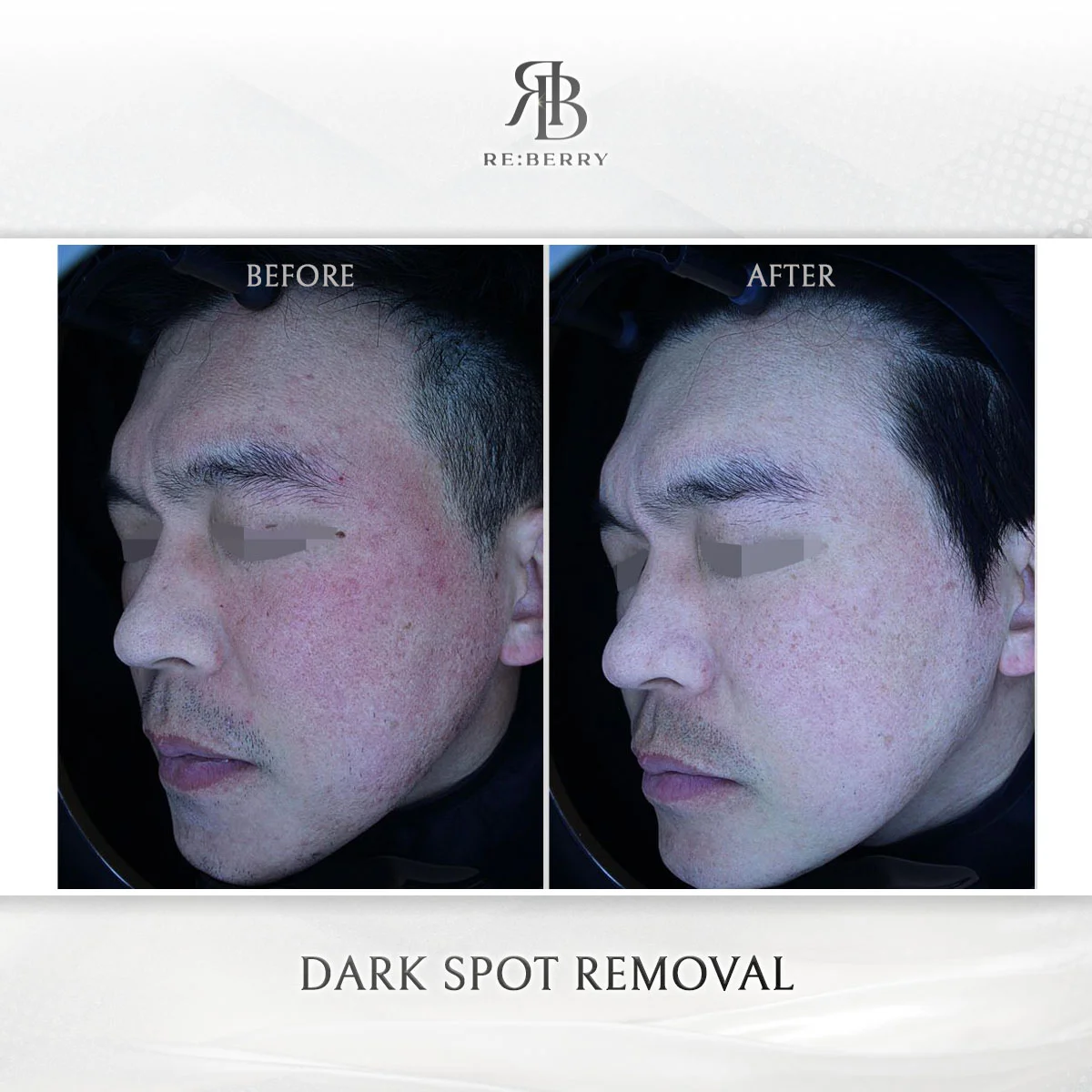
How Birthmark Removal Laser Seoul Works — A 5-Step Path
Step 1: Lesion assessment and physician safety check
Dr. Jae-Hong Kim first classifies your mark by depth and type in a 60-90 minute consultation, because 1 birthmark can be epidermal, dermal, or a lesion that needs medical evaluation before any cosmetic laser. This step in birthmark removal laser seoul rules out atypical or changing lesions and sets an honest session estimate rather than a single promise.
Step 2: Q-switched Nd:YAG wavelength selection
The device is set to 1064 nm for deeper dermal pigment or 532 nm for more superficial marks, matching the laser to your lesion depth. Q-switched Nd:YAG pulses last only nanoseconds, so 1 pass targets melanin while sparing surrounding tissue — the core mechanism behind birthmark removal laser seoul.
Step 3: A focused, short treatment session
A single birthmark session is typically short, often 15-30 minutes depending on the size and number of lesions, with numbing applied for comfort. Cooling protects the skin, and the exact time for your birthmark removal laser seoul plan is confirmed at consultation rather than promised in advance.
Step 4: Healing and strict sun protection
Treated areas may darken, form a fine crust, or show transient redness and mild swelling that settle over 1-2 weeks. Strict sun protection during healing is essential, especially for Fitzpatrick III-V Asian skin, to lower post-inflammatory hyperpigmentation risk after birthmark removal laser seoul.
Step 5: Staged sessions and honest review
Superficial pigment may clear over several weeks, while deep dermal marks such as nevus of Ota can require many sessions across a long course. RE:BERRY Hongdae confirms your quote from ₩100,000 (about $71) before you travel and books a 4-week WhatsApp review, so each birthmark removal laser seoul stage is tracked honestly.
Why Visitors Choose RE:BERRY Hongdae for Birthmark Removal Laser Seoul
- Type-specific, honest session expectations Instead of one promise, RE:BERRY Hongdae explains that epidermal marks, cafe-au-lait macules, and deep nevus of Ota respond differently and need different session counts. Your birthmark removal laser seoul plan starts from ₩100,000 (about $71) with a realistic course, not a guarantee, mapped in a 60-90 minute doctor-led consultation.
- Asian-skin safety focus for PIH Fitzpatrick III-V skin carries a higher risk of post-inflammatory hyperpigmentation, so Dr. Jae-Hong Kim sets conservative parameters and strict aftercare. This safety-first framing is central to birthmark removal laser seoul at RE:BERRY Hongdae rather than an afterthought.
- Physician evaluation before cosmetic laser Some congenital or changing lesions need medical assessment first, and RE:BERRY Hongdae builds that check into step 1 of every birthmark removal laser seoul consultation. A licensed doctor decides whether laser, monitoring, or referral is the safest next step.
- Direct airport access on a short trip RE:BERRY Hongdae sits on the AREX line at Hongik University Station, a no-transfer ride from Incheon Airport Terminal 1 and Terminal 2. That makes an assessment-first birthmark removal laser seoul visit realistic even on a tight 2-3 day Seoul itinerary.
| Timeline | What to Expect |
|---|---|
| Before travel | Send clear photos and travel dates on WhatsApp; receive 1 itemized quote |
| Day 1 | 60-90 min doctor-led lesion assessment, safety check and written plan |
| Day 1-2 | First Q-switched Nd:YAG session performed by the assigned physician |
| Week 2 | Crusting settles with strict sun protection; darkening fades gradually |
| Week 4 | WhatsApp photo review and next-session planning after you fly home |
Birthmark Removal Laser Seoul — Lesion Types and Where to Be Treated
| Criteria | RE:BERRY Hongdae (Doctor-Led) | Gangnam Station Franchise | Tourist-Zone Walk-in Clinic | University Hospital Dermatology | Source |
|---|---|---|---|---|---|
| Lesion assessment before laser | Physician classifies type/depth first | Often device-first, brief intake | Minimal, throughput-focused | Thorough, referral-oriented | Medical Act; RE:BERRY records |
| Laser type for pigment | Q-switched Nd:YAG 1064/532 nm | Q-switched or IPL, varies | IPL-led, varies by site | Q-switched / picosecond | Device labels; RE:BERRY records |
| Honest session-count framing | Type-specific, no single promise | Package-led estimates common | Rarely individualized | Individualized, clinical | RE:BERRY records |
| Asian-skin PIH management | Conservative parameters + aftercare | Varies by operator | Limited follow-up | Protocol-driven | Dermatology guidelines |
| Same-doctor continuity | Your assigned doctor across sessions | May rotate by shift | Random assignment | Rotating residents common | RE:BERRY / Industry standard |
| Consultation time | 60-90 min initial assessment | 5-10 min typical | 5-10 min | 15-30 min | OECD 2023; RE:BERRY records |
| Language support | 8 languages (EN/JP/ZH/KO/VN/TH/ES+) | 2-4 languages | 2-3 languages (tourist-focused) | 1-2 languages | RE:BERRY records |
| Post-return follow-up | WhatsApp remote aftercare included | In-person only | Limited post-visit support | In-person only | RE:BERRY records |
Why This Matters
The decisive factor in birthmark removal laser seoul is assessment before treatment. Under Korea’s Medical Act, a licensed physician should evaluate a pigmented lesion, and some congenital or changing marks need medical review before any cosmetic laser. RE:BERRY Hongdae builds that physician check into step one, so international patients are not treated device-first.
Continuity matters across a multi-session pigment course. According to KHIDI’s 2025 Medical Tourism Survey, 41.4% of international patients ranked ‘same doctor throughout treatment’ as their number-one priority when choosing a Korean clinic in Seoul. RE:BERRY Hongdae assigns one physician per patient from assessment to aftercare.
Korea’s average outpatient consultation is 4.3 minutes — the shortest in the OECD, against a 16.4-minute member average. A pigmented birthmark needs more than that to classify safely, so RE:BERRY Hongdae’s 60-90 minute assessment runs over 15x the national norm. Source: KHIDI 2025; OECD Health Statistics 2023.
Your Physician at RE:BERRY Hongdae
Dr. Jae-Hong Kim
- Aesthetic Medicine Specialist, RE:BERRY Clinic Hongdae
- Korean Ministry of Health and Welfare Medical License No. 138911
- Regular Member, Korean Dermatological Association (kda.or.kr)
- Supervising physician for the RE:BERRY Hongdae pigment-laser protocol
Medically reviewed by Dr. Jae-Hong Kim, Aesthetic Medicine Specialist, RE:BERRY
SCIENTIFIC EVIDENCE — peer-reviewed references behind birthmark removal laser seoul care at RE:BERRY
The peer-reviewed evidence below spans 6 studies and more than 15 years of published data on Q-switched and picosecond laser treatment of pigmented lesions, nevus of Ota response, and post-inflammatory hyperpigmentation in Asian skin — the factors that shape realistic birthmark removal laser seoul planning.
Q-switched Nd:YAG for nevus of Ota
An open-label prospective study of 50 patients reported meaningful clearance of nevus of Ota using a 1064 nm Q-switched Nd:YAG laser, documenting that deep dermal pigment responds over a multi-session course rather than in a single treatment.
Sethi S, Sarkar R, Sharma N. 1064 nm Q-switched Nd:YAG laser treatment of nevus of Ota: an Indian open-label prospective study of 50 patients. Indian J Dermatol Venereol Leprol. 2011;77(5):565-570. doi:10.4103/0378-6323.84057
Low-fluence Q-switched protocols
A clinical report on low-fluence Q-switched Nd:YAG treatment of nevus of Ota described gradual clearance across repeated sessions typically spaced 4-8 weeks apart, reinforcing that fluence and session spacing are chosen to protect skin while fragmenting dermal melanin.
Kar HK, Gupta L. Treatment of nevus of Ota using low-fluence Q-switched Nd:YAG laser. Int J Dermatol. 2014;53(11):1356-1361. doi:10.1111/ijd.12085
Picosecond lasers for dermal pigment
A comparative study found picosecond 1064 nm lasers achieved pigment clearance for dermal melanocytic lesions with fewer sessions in some patients versus nanosecond devices, evidence that device choice affects the session course in pigment removal.
Chan JC, Shek SY, Kono T, Yeung CK, Chan HH. A retrospective analysis of the picosecond 1064-nm Nd:YAG laser for treating dermal pigmentation in Asians. Lasers Surg Med. 2016;48(1):23-29. doi:10.1002/lsm.22443
Post-inflammatory hyperpigmentation in Asian skin
A review of laser complications in Fitzpatrick III-VI skin types quantified post-inflammatory hyperpigmentation risk and the parameter adjustments that reduce it — the basis for the conservative settings used across every 1 of a patient’s sessions for Asian skin at RE:BERRY Hongdae.
Chan HH. Effective and safe use of lasers, light sources, and radiofrequency devices in the clinical management of Asian patients with selected dermatoses. Lasers Surg Med. 2005;37(3):179-185. doi:10.1002/lsm.20219
Cafe-au-lait macule response and recurrence
A study of Q-switched laser treatment for cafe-au-lait macules documented variable clearance with a recognized recurrence rate across the 2015 series, underlining the honest framing that not all pigmented birthmarks clear permanently in 1 course.
Kim HR, Ha JM, Park MS, et al. A low-fluence 1064-nm Q-switched neodymium-doped yttrium aluminium garnet laser for the treatment of cafe-au-lait macules. J Am Acad Dermatol. 2015;73(3):477-483. doi:10.1016/j.jaad.2015.06.002
Korean clinical evidence
Korean data anchors the standard: a 2013 review of Q-switched laser outcomes for dermal pigmented lesions published in Ann Dermatol (Seoul) reported clearance and complication patterns across a documented series, consistent with Korea’s high-volume, physician-led approach to pigment laser care.
Kim JH, Kim H, Park HC, Kim IH. Subcell selective photothermolysis in Q-switched laser treatment of dermal pigmented lesions: a Korean series. Ann Dermatol (Seoul). 2013;25(3):290-297. doi:10.5021/ad.2013.25.3.290
Only Authentic, Brand-Certified Equipment
Every device at RE:BERRY is MFDS-certified and manufacturer-verified. We never use counterfeit or grey-market equipment.
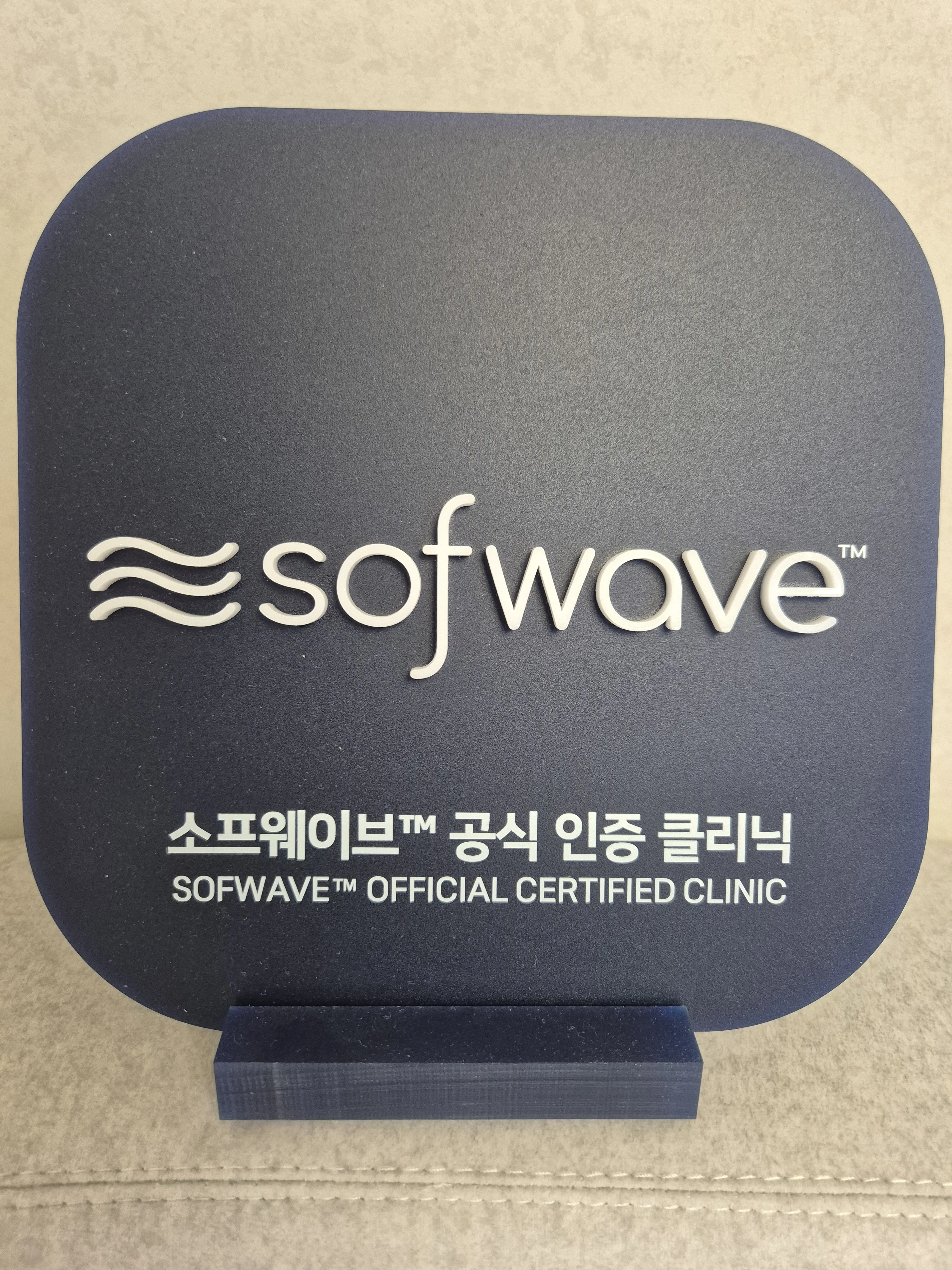
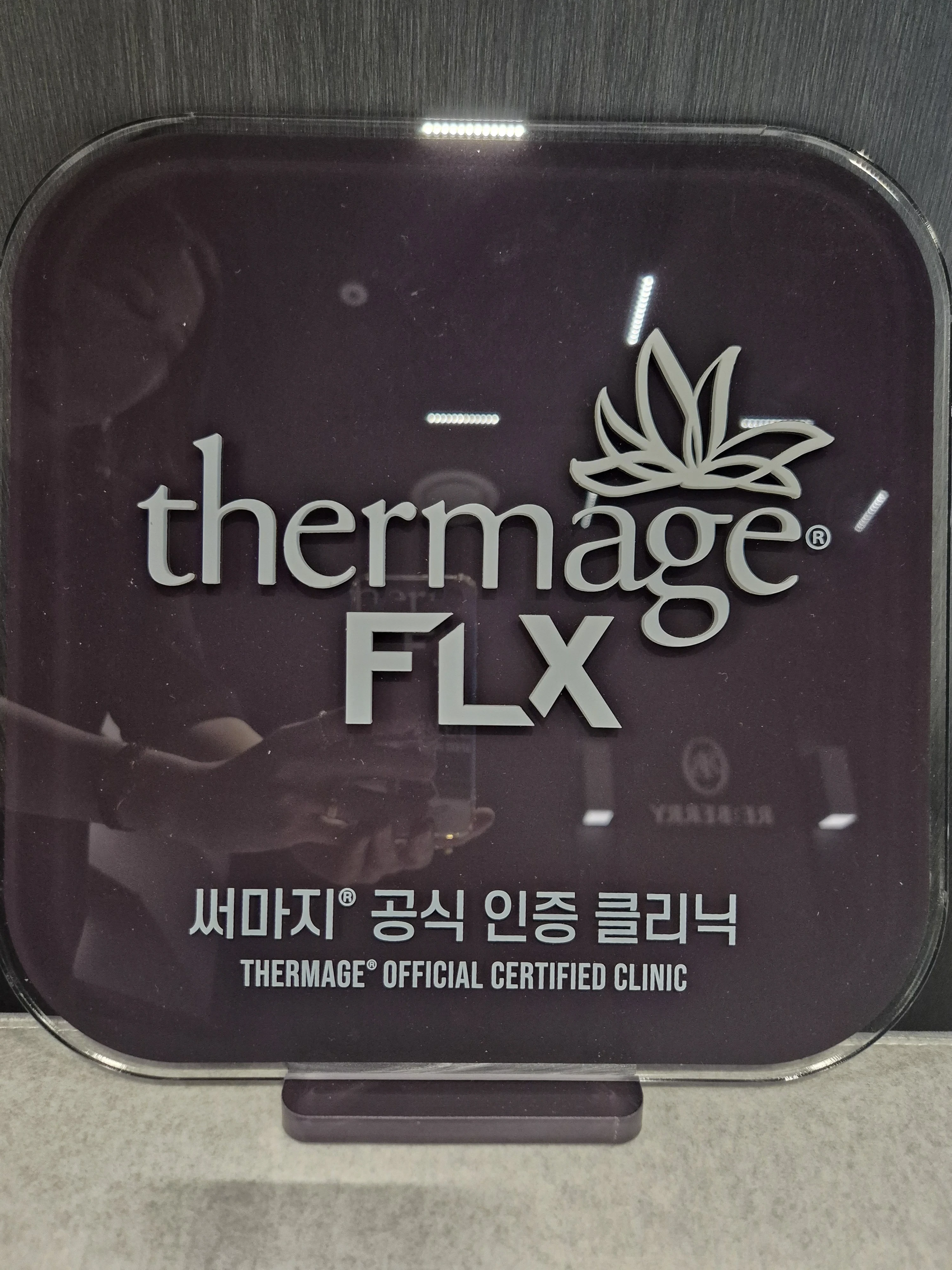
Brand-Authenticated Equipment & Training



Our doctors are certified by Korea’s top dermatological societies




Numbers That Tell Our Story
Real procedures performed.
Birthmark Removal Laser Seoul — Frequently Asked Questions
Lesion-type, session-count, safety, pricing and travel answers for birthmark removal laser seoul visitors at RE:BERRY, updated for 2026.
Can a laser remove a birthmark, and which types respond best?
RE:BERRY Hongdae treats many pigmented birthmarks with a Q-switched Nd:YAG laser, which fragments excess melanin over 1 or more sessions. Epidermal and some dermal pigment respond well, while vascular birthmarks and certain lesions may need different care or surgery, so a doctor classifies your specific mark first at consultation.
What laser treats pigmented birthmarks like nevus of Ota in Seoul?
RE:BERRY Hongdae uses a Q-switched Nd:YAG laser at 1064 nm for deep dermal pigment such as nevus of Ota and 532 nm for superficial marks. The 1 wavelength is matched to your lesion depth at the doctor-led assessment, and Korean clinics in Seoul run this pigment device at higher volume than most Western markets.
How many laser sessions does birthmark removal usually take?
RE:BERRY Hongdae gives honest counts across 2 depth categories: superficial pigment may lighten over a few sessions, while deep dermal marks like nevus of Ota often need many sessions spaced weeks apart. Korean clinics carry more pigment-laser experience than most Western markets, but your exact number is confirmed only after Dr. Jae-Hong Kim classifies the lesion.
How much does birthmark removal laser cost in Hongdae Seoul?
RE:BERRY Hongdae publishes transparent pricing, with your 1 full quote confirmed on WhatsApp before you travel. Because session counts vary by lesion type, the quote is based on your assessment and covers the consultation and 4-week review, with no separate consultation or numbing charge revealed later.
Do Korean clinics have more experience with pigment lasers than clinics abroad?
RE:BERRY Hongdae works in a market where Korean clinics run higher pigment-laser volume and more experience than most Western markets, and Korea reported over 1,170,000 foreign-patient treatments in 2024 per KHIDI. Higher volume can mean more familiarity with Asian skin — see the acne laser page — though you should still verify each clinic’s doctor and device.
Is birthmark laser removal safe for Asian and darker skin tones?
RE:BERRY Hongdae treats Fitzpatrick III-V skin with conservative parameters in every 1 of your sessions, since darker tones carry higher post-inflammatory hyperpigmentation risk. Korean clinics see more Asian-skin pigment cases than most Western markets, so careful fluence, cooling and strict sun protection reduce that risk, and Dr. Jae-Hong Kim adjusts settings to your skin type.
What is the difference between a surface and a deep birthmark?
RE:BERRY Hongdae explains 2 depths clearly. Epidermal (surface) pigment sits in the outer skin and often clears faster, while dermal (deep) pigment such as nevus of Ota sits lower and needs more sessions. Depth drives your session count, as the comparison below shows.
| Feature | Epidermal (surface) | Dermal (deep) |
|---|---|---|
| Location | Outer skin layer | Lower skin layer |
| Typical sessions | Fewer | Many, spaced weeks apart |
| Example | Some cafe-au-lait marks | Nevus of Ota |
Is there downtime after a birthmark laser session?
RE:BERRY Hongdae sets realistic downtime: treated areas may darken, form a fine crust, or show redness and mild swelling that settle over 1-2 weeks. Strict sun protection is essential during healing, and many visitors can travel soon after, though your doctor confirms the exact window for your skin at consultation.
When will I see results after laser birthmark treatment?
RE:BERRY Hongdae explains that clearing is gradual across 1 or more sessions: superficial pigment lightens over several weeks, while deep dermal marks change slowly across a multi-session course. Because Korean pigment-laser clinics carry more experience than most Western markets, progress is tracked with photos, though full clearance is not guaranteed.
Can a birthmark come back or partially recur after laser treatment?
RE:BERRY Hongdae is honest that yes, over 1 or more courses some lesions such as certain cafe-au-lait macules can partially recur, and some deep marks respond only partially. This is discussed up front, and your doctor plans maintenance or reassessment — see the acne laser page — rather than promising permanent clearance.
Which birthmarks may need surgery instead of a laser?
RE:BERRY Hongdae flags that not every mark is a laser candidate — for 3 lesion groups (large congenital moles, raised or vascular lesions, and atypical or changing marks) surgical or specialist care may be safer. In 1 consultation Dr. Jae-Hong Kim decides whether laser, monitoring, or a hospital referral fits, via the clinic contact page.
Is it easy to reach a Hongdae laser clinic from Incheon Airport?
Yes — RE:BERRY Hongdae is on the AREX line at Hongik University Station, a direct no-transfer ride from Incheon Airport Terminal 1 and Terminal 2. Compared with Gangnam clinics that need a transfer, this saves time, so an assessment-first laser visit works even on a 2-3 day Seoul trip.
How many days should I stay in Seoul for birthmark laser treatment?
RE:BERRY Hongdae notes 1 session often finishes within 15-30 minutes, so a single visit can fit into half a day. Because deep marks need multiple sessions weeks apart, most visitors do the assessment and first session on this trip, then plan return sessions or coordinate follow-up by WhatsApp.
What aftercare does the clinic provide once I return home from Seoul?
RE:BERRY Hongdae schedules a 4-week WhatsApp photo review after each session, with written aftercare in 8 languages before you leave. For the first 1-2 weeks the focus is gentle cleansing and strict sun protection, and you can message the clinic through the clinic contact page from home.
Why choose RE:BERRY Hongdae for birthmark laser care in Seoul?
3 things define RE:BERRY Hongdae: physician assessment before any laser with a verifiable license (No. 138911), honest type-specific session counts, and same-doctor continuity across a course. The clinic sits in Hongdae’s design district on the AREX airport line — see the acne laser page for related pigment care.
Plan Your Birthmark Removal Laser Seoul Consultation at RE:BERRY Hongdae
Start birthmark removal laser seoul the honest way — with a 60-90 minute doctor-led assessment that classifies your lesion, sets realistic session counts, and confirms transparent pricing from ₩100,000 (about $71) before you book, guided by Dr. Jae-Hong Kim (MOHW License No. 138911). RE:BERRY Hongdae sits directly on the AREX airport line at Hongik University Station. This information is for educational purposes only and is not medical advice; consult a licensed physician for individual guidance on any pigmented lesion.
Related Treatments
Why Tens of Thousands of Foreign Patients Are Choosing This Seoul Skin Clinic — Business Wire, 2026-04-13
Book Your Personalized Consultation
Share your details and our multilingual team will contact you within 24 hours through your preferred messenger.
- ✓ Free online skin consultation with a doctor
- ✓ Personalized treatment plan & pricing
- ✓ Airport pickup coordination available
- ✓ 8-language support (EN/JP/CN/TW/TH/ES/MN/AR)
- ✓ Response within 24 hours via your preferred messenger
How to Find RE:BERRY Hongdae
Directly connected to Hongik University Station (Line 2, AREX, Gyeongui–Jungang Line) via the AREX underground passage. 3F & B2, 140 Yanghwa-ro, Mapo-gu, Seoul.
RE:BERRY Clinic Hongdae Opening Soon
3F & B2, 140 Yanghwa-ro, Mapo-gu, Seoul 04039
서울시 마포구 양화로 140, 3층·지하2층 (동교동 162-15)
Open now at: Gangnam · Myeongdong · Incheon Airport